
Polyscias filicifolia
Polyscias filicifolia
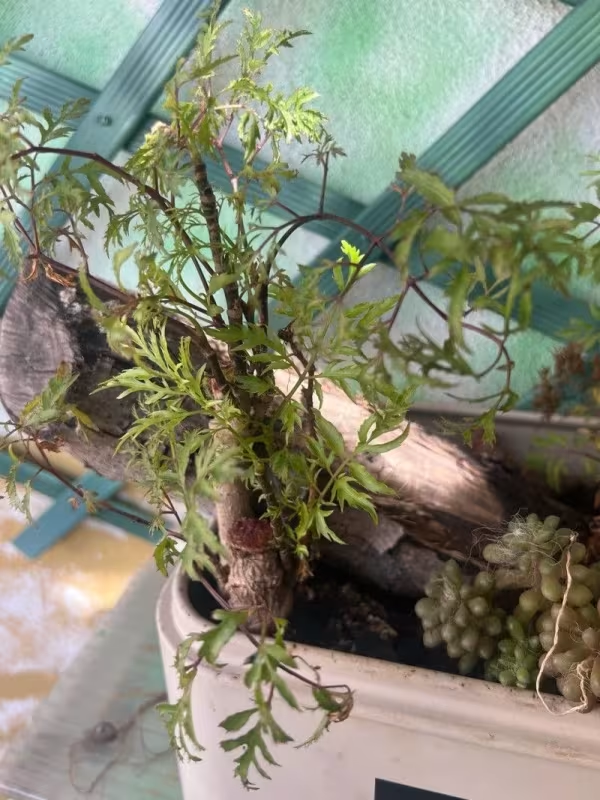
Description
Growing requirements
Polyscias filicifolia is a decorative evergreen shrub belonging to the Araliaceae family. Originating from the tropical regions of the South Pacific and Southeast Asia, it is highly valued for its elegant, fern-like foliage.
The botanical structure of the plant consists of woody stems and complex pinnate leaves. In controlled agricultural environments, it acts as a specialty ornamental, often used for high-end landscape design and indoor plant production.
Climate requirements include a warm, humid environment with optimal temperatures between 18°C and 25°C. Cold drafts and sudden temperature fluctuations are detrimental to the plant's physiological health and can lead to immediate leaf drop.
Soil requirements necessitate a well-draining, nutrient-rich potting medium. A substrate composed of peat moss, perlite, and organic compost with a slightly acidic to neutral pH is ideal for maintaining root vitality and preventing waterlogging.
Light management is crucial, as the plant prefers bright, indirect sunlight. Excessive direct light can cause leaf scorch, while insufficient light leads to sparse foliage growth and loss of the characteristic fern-like appearance.
Main diseases and pests
The primary pests affecting Polyscias filicifolia include spider mites, mealybugs, and scale insects. Integrated pest management strategies, such as physical cleaning and targeted insecticide applications, are recommended for maintaining plant hygiene.
Fungal infections, primarily root rot (Phytophthora or Pythium), are the most frequent causes of plant decline. These issues typically stem from over-irrigation or stagnant water in the root zone, highlighting the importance of strict moisture control.