
Elytraria bromoides
Elytraria bromoides
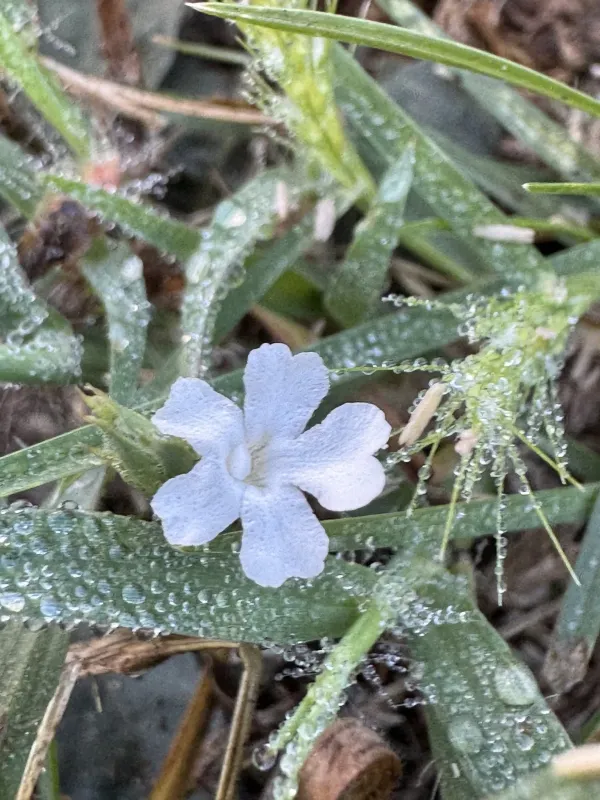
Description
Growing requirements
Elytraria bromoides is a perennial herbaceous plant belonging to the Acanthaceae family. Native to regions in Mexico and the southern United States, this plant is well-adapted to arid and semi-arid environments where it thrives in open woodland areas.
In terms of soil requirements, the species prefers well-draining, sandy, or rocky substrates. It is essential to avoid heavy, clay-rich soils that retain excess water, as the root system is sensitive to prolonged moisture levels.
The plant demands high levels of solar radiation to maintain its compact growth habit. It is highly resistant to drought, utilizing its root structure to manage water efficiently during dry seasons typical of its natural habitat.
Climate conditions must remain warm throughout the year, as the plant is not frost-tolerant. It performs best in environments where temperatures stay well above freezing, allowing for consistent growth of the basal leaf rosettes.
Botanical characteristics include a distinct basal rosette of leaves from which spike-like inflorescences arise. This morphology is an adaptation to harsh conditions, allowing the plant to concentrate its resources during the most favorable growth periods.
Main diseases and pests
Root rot caused by fungal pathogens remains the primary threat to the stability of Elytraria bromoides populations. This is almost exclusively associated with poor drainage and excessive irrigation practices in home or commercial garden settings.
Common pests such as spider mites may occasionally infest the plant foliage, especially during exceptionally dry and hot weather. Monitoring for leaf discoloration is advised to implement timely interventions.
Weed competition is a significant concern during the establishment phase, as the plant requires unobstructed access to sunlight. Regular weeding is necessary to prevent the smothering of younger specimens in a planting bed.
Air circulation plays a crucial role in preventing mildew and fungal infections, particularly in humid or stagnant air environments. Adequate spacing between plants during the sowing or planting process is a recommended management practice.
Integrated pest management strategies focusing on moisture regulation and cultural controls are the most effective ways to ensure the longevity and health of this specific plant species.