
Elytraria crenata
Elytraria crenata
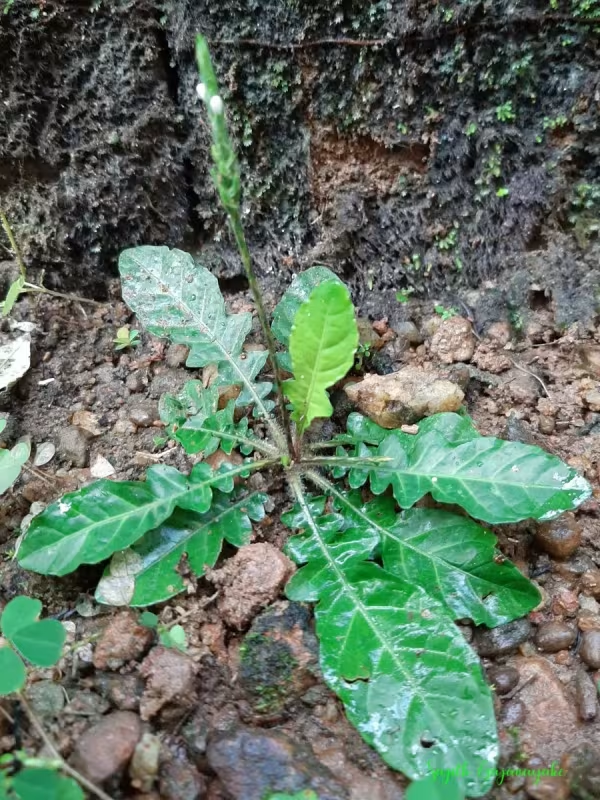
Description
Sowing dates
Seeds of Elytraria crenata should be sown in a well-draining sterile medium during the late winter months to start the growth cycle.
Optimal germination requires a consistent temperature range between 22 and 25 degrees Celsius and a high-humidity environment.
The seeds are small and should be pressed lightly into the surface of the soil rather than buried deeply to ensure access to light.
Seed trays must be kept in a bright location but shielded from intense, direct solar radiation to prevent the soil from drying out too quickly.
Transplanting seedlings into individual pots is recommended once they develop at least two true leaf sets to promote root development.
Growing requirements
As a member of the Acanthaceae family, this species thrives in tropical conditions with temperatures ranging from 18 to 28 degrees Celsius.
Soil requirements include a rich, loamy texture with excellent drainage properties to prevent the accumulation of excess water around the roots.
Consistent atmospheric moisture is essential; therefore, regular misting or the use of humidifiers is advised for indoor cultivation systems.
The plant performs best under partial shade or bright, filtered sunlight, as harsh direct rays can cause leaf chlorosis and scorching.
Soil pH should be maintained in the neutral range, and organic-based fertilizers are preferred to support overall biomass production.
Yield
The yield of Elytraria crenata is primarily determined by the successful development of its lush foliage and productive side shoots.
By implementing a strategic pruning schedule, farmers can encourage the plant to grow bushier and increase the total harvest volume.
Regular fertilization with balanced nutrients significantly boosts the growth rate and ensures a higher quality of the herbal raw material.
When managed under optimal greenhouse conditions, the plant can provide multiple harvests within a single growing season cycle.
Harvesting strategies should prioritize sustainability by ensuring that a sufficient number of leaves remain to support continued plant growth.
Main diseases and pests
Spider mites are the most common pests, particularly when the ambient air becomes too dry, leading to rapid infestation and leaf damage.
Root rot represents a major threat, usually resulting from saturated soil conditions and lack of adequate air circulation in the root zone.
Fungal leaf spot diseases can emerge if the canopy density is too high or if the plants are kept in stagnant, poorly ventilated conditions.
- Integrated pest management practices, such as increasing humidity, can help control spider mite populations effectively.
- Removing dead or infected plant parts immediately is crucial for limiting the spread of fungal pathogens within the crop.
Maintaining proper hygiene and spacing between pots helps mitigate the risk of disease transmission in large-scale cultivation setups.
Harvesting
The harvesting process involves hand-collecting mature leaves during the early morning when moisture levels in the plant tissue are optimal.
Cut foliage should be handled gently to avoid bruising, which could compromise the chemical integrity of the medicinal components.
Drying must take place in a temperature-controlled environment, avoiding heat spikes that could degrade delicate aromatic compounds.
Ensuring complete dehydration before storage is vital to prevent the growth of molds and the subsequent spoilage of the final herbal product.
Properly dried material should be stored in opaque, airtight containers to protect it from light degradation and humidity changes.