
Elytraria caroliniensis
Elytraria caroliniensis
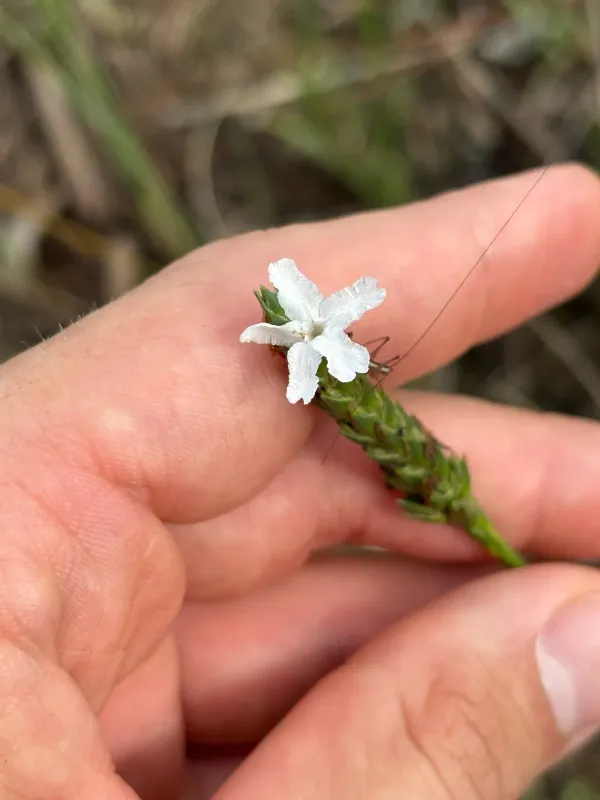
Description
Sowing dates
Elytraria caroliniensis is a perennial herbaceous plant that naturally propagates through seeds dispersed by environmental factors.
The growth cycle is most active during the warmer months, ensuring that seeds have sufficient time to develop fully before the onset of dormancy.
For agricultural or garden propagation, sowing should take place in late spring into a well-prepared seedbed enriched with organic matter.
Consistency in soil moisture is critical during the germination stage to ensure successful seedling establishment and root development.
Controlled environments, such as greenhouses, provide the stability needed for optimal germination rates and early developmental stages.
Growing requirements
Belonging to the Acanthaceae family, this species thrives in environments that mimic its native moist and partially shaded habitats.
The plant requires soil that is rich in nutrients and possesses a neutral pH, combined with excellent drainage to prevent root saturation.
It prefers regions where ambient temperatures remain stable and humidity levels stay high throughout the active growing season.
Direct exposure to harsh sunlight should be avoided to prevent leaf scorching, favoring sites with dappled light or morning sun exposure.
Water management is the most critical aspect of its care, requiring consistent irrigation to mimic the natural moisture of forest floors.
Main diseases and pests
Fungal pathogens represent the primary threat to this plant, often induced by stagnant water or inadequate airflow around the foliage.
Insect pests, including aphids and spider mites, may attack the plant if environmental stress compromises its natural resistance mechanisms.
Root rot is a common issue when the plant is grown in overly heavy or poorly drained soil, leading to rapid decline if not addressed.
Regular inspection of the plant's foliage is recommended to identify early signs of pest infestation or early stages of necrotic spots.
Integrated pest management, including sanitation and proper spacing, is essential for maintaining the health and vigor of the population.