
Elytraria imbricata
Elytraria imbricata
Description
Growing requirements
Elytraria imbricata is a herbaceous perennial plant belonging to the Acanthaceae family. Native to tropical regions of the Americas, including Mexico and parts of the Caribbean, it has adapted to survive in arid, rocky habitats where water availability is often inconsistent.
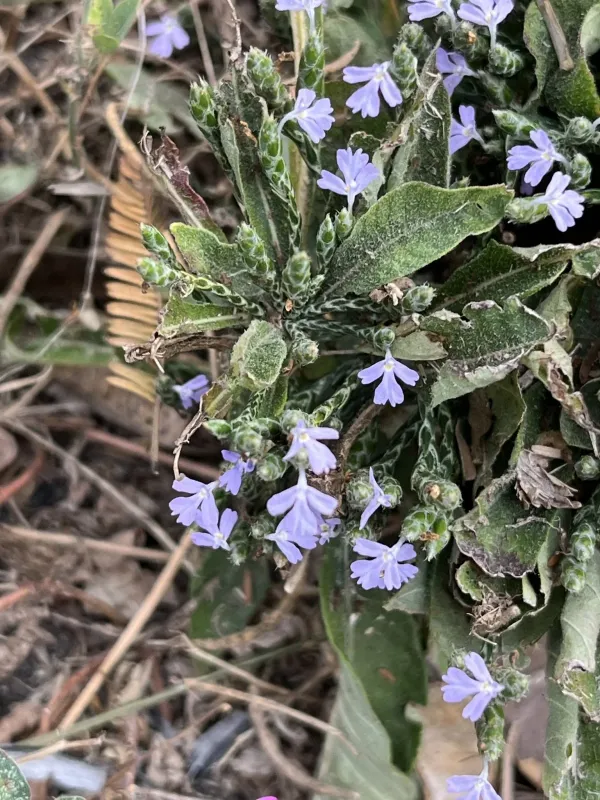
Botanically, the plant is distinguished by its basal rosette of leaves and striking, imbricated (overlapping) bracts covering its inflorescence. This specialized morphology allows the plant to thrive in harsh, exposed environments by protecting its reproductive structures.
Regarding soil and climatic requirements, the plant demands excellent drainage to prevent root rot. It flourishes in sandy or loamy soils with a near-neutral pH and requires a warm environment, typically between 22 and 28 degrees Celsius, throughout its growing cycle.
In terms of agricultural utilization, Elytraria imbricata is highly regarded in ethnomedicine. It contains bioactive compounds such as glycosides, which are currently being studied for potential pharmaceutical applications in treating inflammation and skin-related ailments.
The agronomic management of this species focuses on maintaining adequate but not excessive moisture. The crop does not tolerate frost, making it suitable for field cultivation only in tropical zones or as a controlled greenhouse crop in temperate regions where temperature regulation is possible.
Main diseases and pests
The primary threats to Elytraria imbricata include soil-borne fungal pathogens which are triggered by waterlogging. Establishing a precise irrigation schedule is vital to maintain the health of the root system and ensure long-term productivity.
Common insect pests include spider mites and mealybugs, which are particularly problematic in confined greenhouse spaces with low air circulation. Implementing integrated pest management strategies is recommended to protect plant vigor and yield quality.