
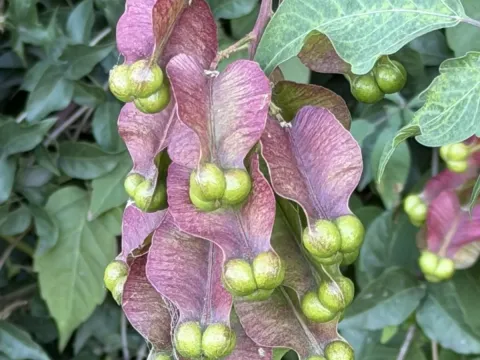
Serjania
Serjania
Serjania is a diverse genus of woody climbing vines belonging to the Sapindaceae family. Comprising over 200 species, this plant is primarily native to the tropical and subtropical regions of Central and South America, where it forms an integral part of the forest canopy structure.
What the section contains
 Mexican serjania
Serjania mexicana
Mexican serjania
Serjania mexicana
 Serjania acoma
Serjania acoma
Serjania acoma
 Serjania atrolineata
Serjania atrolineata
Serjania atrolineata
 Serjania brachycarpa
Serjania brachycarpa
Serjania brachycarpa
 Serjania communis
Serjania communis
Serjania communis
 Serjania curassavica
Serjania curassavica
Serjania curassavica
 Serjania diversifolia
Serjania diversifolia
Serjania diversifolia
 Serjania erecta
Serjania erecta
Serjania erecta
 Serjania glabrata
Serjania grandiflora
Serjania grandiflora
Serjania incisa
Serjania incisa
Serjania glabrata
Serjania glabrata
Serjania grandiflora
Serjania grandiflora
Serjania incisa
Serjania incisa
 Serjania lethalis
Serjania noxia
Serjania noxia
Serjania lethalis
Serjania lethalis
Serjania noxia
Serjania noxia
 Serjania polyphylla
Serjania polyphylla
Serjania polyphylla
 Serjania rubicaulis
Serjania rubicaulis
Serjania rubicaulis
 Serjania subdentata
Serjania subdentata
Serjania subdentata
Serjania
Botanically, Serjania is characterized by its woody stems, which often exhibit a distinct ribbed structure in cross-section. This unique morphology helps differentiate it from other related climbing plants. The leaves are typically compound, providing a large surface area for photosynthesis in the shaded environment of tropical jungles.
The cultivation of Serjania requires strict adherence to tropical climatic conditions, specifically high year-round temperatures and consistent humidity. As a frost-intolerant plant, it cannot survive in temperate climates without protected greenhouse environments, which provide the warmth necessary for year-round growth.
Regarding soil requirements, the plant thrives in deep, fertile, and well-drained substrates. A rich humus layer is essential to support the vigorous growth habit of the vine. Maintaining a soil pH that is slightly acidic to neutral helps in the efficient uptake of nutrients required for rapid biomass accumulation.
Agricultural management of Serjania necessitates the use of sturdy support systems such as trellises or poles. As a vine, it requires vertical structures to reach sunlight. Pruning may be necessary to manage its rapid growth and to ensure that the infrastructure remains stable as the woody stems thicken over time.
Plants in the Serjania genus are susceptible to several common tropical pests, including mealybugs and spider mites, which can cause significant stress in indoor or container-grown conditions. Fungal leaf spots can also occur if the humidity levels are too high with poor air circulation.
Economic and research interest in Serjania centers on its chemical constituents, including saponins and various alkaloids. Several species are utilized in traditional ethnomedicine, and ongoing scientific studies continue to evaluate their potential in pharmacological applications for wound healing and skin health.