
Serjania grandiflora
Serjania grandiflora
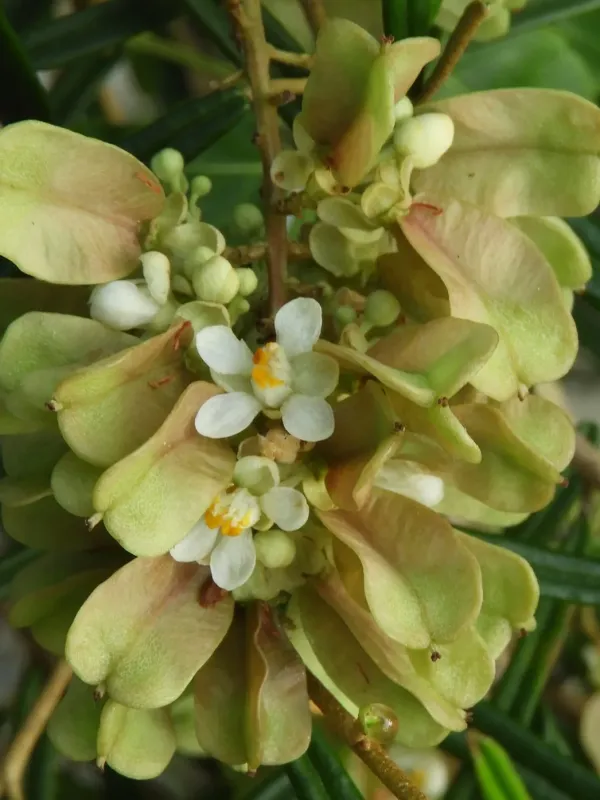
Description
Sowing dates
Serjania grandiflora is a robust woody vine belonging to the Sapindaceae family. Native to the tropical regions of the Americas, this species is well-adapted to climbing forest canopies and dense thickets, utilizing its specialized tendrils to reach sunlight.
Cultivation of this species begins with seed sowing in a high-quality, well-draining medium. The seeds should be planted at a shallow depth to ensure they receive sufficient warmth, typically between 22°C and 25°C, which is essential for uniform germination.
Once seedlings emerge, they require consistent moisture levels. The nursery environment must be kept free of pests, as young shoots are particularly vulnerable to sap-sucking insects during the initial stages of rapid growth.
Spacing is a crucial factor for the health of the vines. Because Serjania grandiflora exhibits vigorous growth, providing at least 2.5 meters of space between individual plants prevents competition for light and nutrients.
Young vines should be provided with support structures immediately after transplanting. Encouraging the plant to climb early on ensures a more structural development and prevents the foliage from matting on the ground, which leads to rot.
Growing requirements
The plant thrives in fertile, loamy soils that provide both drainage and moisture retention. A pH balance ranging from slightly acidic to neutral is ideal for maximizing the uptake of vital micronutrients from the soil.
Exposure to full sunlight is beneficial for blooming, although the plant can tolerate partial shade in hotter climates. Excessive heat without adequate irrigation can cause leaf wilting, therefore a mulching layer is recommended to cool the roots.
Hydration strategies should emphasize deep watering rather than frequent light misting. During the summer peak, a balanced liquid fertilizer applied bi-weekly helps maintain the high metabolic rate required for the production of large floral displays.
Air circulation is vital to prevent fungal outbreaks, especially when grown in greenhouses. Adequate spacing and proper pruning are the primary methods for managing humidity levels and preventing stagnant air conditions around the vine.
Winter protection is mandatory if the ambient temperature drops below 10°C. In regions with cool climates, Serjania grandiflora must be moved to a climate-controlled conservatory to prevent damage to the vascular system of the stems.
Main diseases and pests
The most common threats to Serjania grandiflora include spider mites and aphids, which often colonize the underside of leaves. Regular inspections and the application of insecticidal soaps can manage these infestations effectively.
Fungal pathogens such as mildew and root rot represent significant risks in high-humidity conditions. Maintaining proper drainage and avoiding overhead watering are critical preventive measures for the long-term health of the plant.
Nutrient deficiencies, particularly lack of iron or nitrogen, often manifest as chlorosis on the leaves. These can be corrected through systematic soil analysis and the application of targeted fertilizer blends to restore leaf color.
Mechanical damage from wind or improper handling of stems can open pathways for secondary bacterial infections. Always ensure that the vine is securely tied to its support structure using non-abrasive materials.
Root competition from invasive weeds in the immediate growing zone can significantly reduce the vigor of the plant. A clean, weed-free zone around the base of the vine is highly recommended throughout the active growing season.
Harvesting
The harvesting process involves the careful collection of seeds or plant materials used for botanical research and decoration. It is best performed in the morning after the dew has evaporated to ensure the quality of the gathered biomass.
When collecting seeds, ensure that the seed pods are fully mature and show signs of natural drying. Harvesting too early can result in non-viable seeds with poor germination potential for the next season.
Pruning for maintenance is often integrated with harvesting. By thinning out the old or damaged branches, the plant can direct its energy toward new growth and the production of more flowers in the following period.
After collection, plant materials should be dried in a cool, dark, and well-ventilated location to prevent oxidation or fungal growth. Proper storage containers will protect the integrity of the harvested product for longer durations.
Documenting the harvest yield and the specific conditions during the growth period provides valuable agronomic data for optimizing future production cycles of this unique tropical climber.