
Serjania polyphylla
Serjania polyphylla
Description
Growing requirements
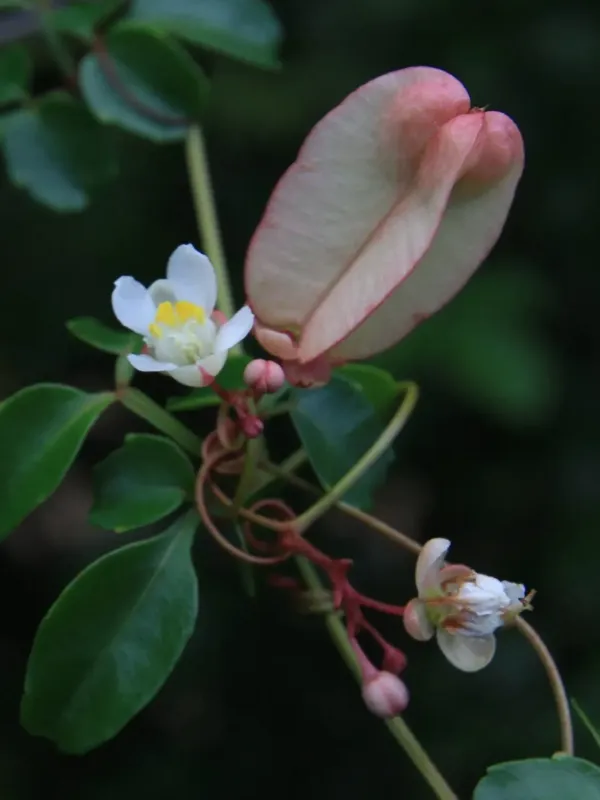
Serjania polyphylla is a woody vine belonging to the Sapindaceae family, native to the tropical forests of the Americas. This species is characterized by its vigorous climbing habit, effectively utilizing its tendrils to scale canopy structures for optimal light exposure.
The plant thrives in equatorial climates where year-round high temperatures and consistent rainfall are standard. It requires a humid environment, as dry air negatively impacts its physiological processes, specifically the transpiration rate and nutrient uptake.
Soil requirements involve deep, nutrient-rich substrates with excellent drainage properties to prevent root suffocation. The plant prefers slightly acidic to neutral soil pH levels, characteristic of tropical forest floors enriched with decomposed organic matter.
Agricultural management requires the installation of trellis systems to mimic the natural support structures found in its habitat. Consistent irrigation is vital, as the plant lacks drought-resistant mechanisms, making it highly dependent on water availability.
Propagation is typically managed through stem cuttings, which ensure the genetic uniformity of the crop. Cultivators must monitor the growth density, as overly thick foliage can lead to poor air circulation, necessitating strategic pruning and canopy management.
Harvesting
The economic value of Serjania polyphylla lies primarily in its phytochemical profile, which is utilized for traditional medicinal practices. Both the stems and leaves contain active compounds that are extracted through various post-harvest processing methods.
Harvesting is performed manually, targeting mature stems that exhibit the highest concentration of desired metabolites. Precision during harvesting is critical to maintain plant health and encourage regrowth, which is essential for sustainable annual yield.
Post-harvest treatment involves shade-drying in well-ventilated areas to prevent degradation of temperature-sensitive components. The preservation of quality depends on the moisture content reduction to specific levels, ensuring shelf-life stability.
Industrial applications include the production of pharmaceutical ingredients and potential biopolymer extraction. Research continues to investigate the plant's secondary metabolites to broaden its commercial utilization in modern healthcare industries.
Efficiency in harvesting is currently limited by the manual nature of the process, though advancements in agricultural machinery for vine crops may improve throughput. Future prospects depend on the integration of vertical farming techniques to increase production yield per hectare.