
Sapindus mukorossi
Sapindus mukorossi
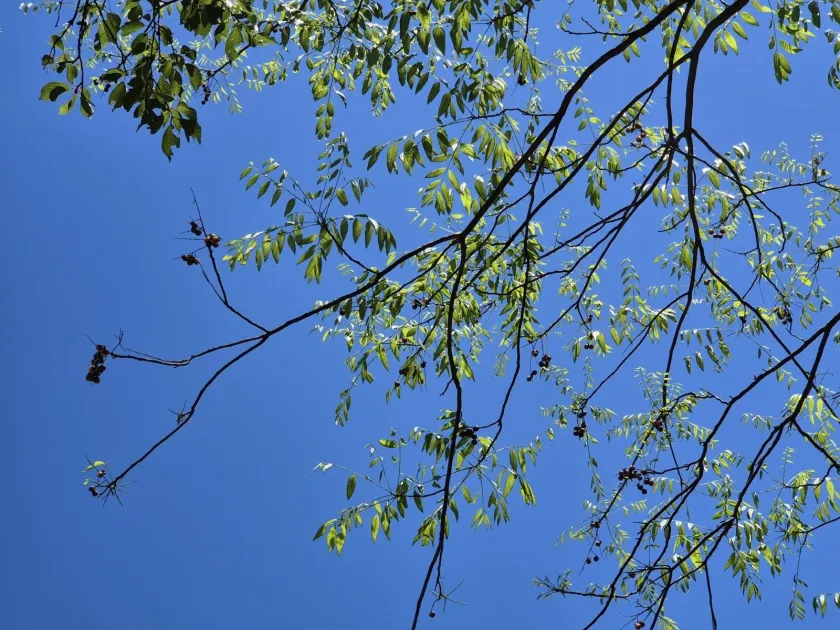
Description
Sowing dates
The propagation of Sapindus mukorossi is typically achieved through seeds, which have a hard outer shell that requires mechanical scarification to improve germination rates.
Sowing should take place in the spring when soil temperatures reach 20-25 degrees Celsius. Pre-soaking seeds in warm water for 48 hours is a recommended practice to soften the coat.
Seeds are planted at a depth of about 3 centimeters in a well-drained, nutrient-rich substrate. Maintaining consistent soil moisture is crucial until the seedlings emerge from the soil.
Once seedlings reach a height of 30-50 centimeters, they are ready for transplanting to their permanent location. Adequate spacing is necessary to allow for optimal canopy growth.
While vegetative propagation through cuttings is possible, it is less common due to the need for high-humidity environments and specific rooting hormones to achieve success.
Growing requirements
Sapindus mukorossi belongs to the Sapindaceae family and is native to tropical and subtropical regions. It thrives in warm climates and is intolerant to prolonged or severe frost.
The tree prefers deep, fertile, and well-drained soils. A sandy loam or loamy soil with a neutral pH is ideal for promoting healthy root development and overall vitality.
Sunlight is essential for this species, as it is a sun-loving plant. Planting in open, well-lit areas ensures faster growth rates and better fruit production throughout its life cycle.
While the tree shows good drought tolerance once established, irrigation during the flowering and fruit-setting stages is vital to ensure a high-quality harvest.
Regular fertilization with organic compost during the growing season will significantly improve the tree's health and resistance to environmental stressors.
Yield
The primary economic output of Sapindus mukorossi is its fruit, which contains natural saponins. A mature tree can yield between 30 and 50 kilograms of soapnuts annually.
Trees typically reach their productive stage between 7 and 10 years after planting. They remain productive for many years, providing a consistent source of agricultural income.
The fruit's primary application is in the production of eco-friendly, biodegradable detergents. These natural surfactants are highly valued in the global "green" market.
The pharmaceutical and cosmetic industries also utilize extracts from the fruit for their antibacterial and antifungal properties, making them popular in natural skincare products.
Seeds are a secondary valuable product, often processed to extract oil used in technical and chemical industries, supporting a circular approach to production.
Main diseases and pests
Fungal infections are the most common threat to Sapindus mukorossi, especially in regions with high humidity or stagnant air circulation within the tree canopy.
Insect pests like aphids and scale insects can damage young foliage and shoots. Integrated pest management using biological controls is preferred over heavy chemical use.
Root rot is a major risk in waterlogged soil. Ensuring effective drainage is the most effective way to prevent this silent killer of mature soapnut trees.
Proper canopy management and sanitary pruning are essential to remove deadwood and reduce the chances of disease spreading during the rainy season.
- Monitor for signs of pest infestation regularly.
- Maintain proper drainage in the orchard.
- Prune dead or diseased branches annually.
Harvesting
Harvesting is performed when the fruits reach full maturity, indicated by a dark brown color and a slightly sticky texture on the outer shell of the soapnut.
The fruits are gathered manually by picking them directly from the tree branches or by collecting them after they naturally fall onto prepared ground covers.
Immediately after collection, the fruits must be dried in a well-ventilated, shaded area to lower their moisture content and prevent the development of mold or decay.
Once dried, the soapnuts are cleaned, sorted by size, and packed for storage. Proper storage involves cool, dry conditions to maintain the potency of the saponins.
With correct harvesting and storage techniques, the dried soapnuts can maintain their washing efficiency for several years, making them a shelf-stable product.