
Serjania brachycarpa
Serjania brachycarpa
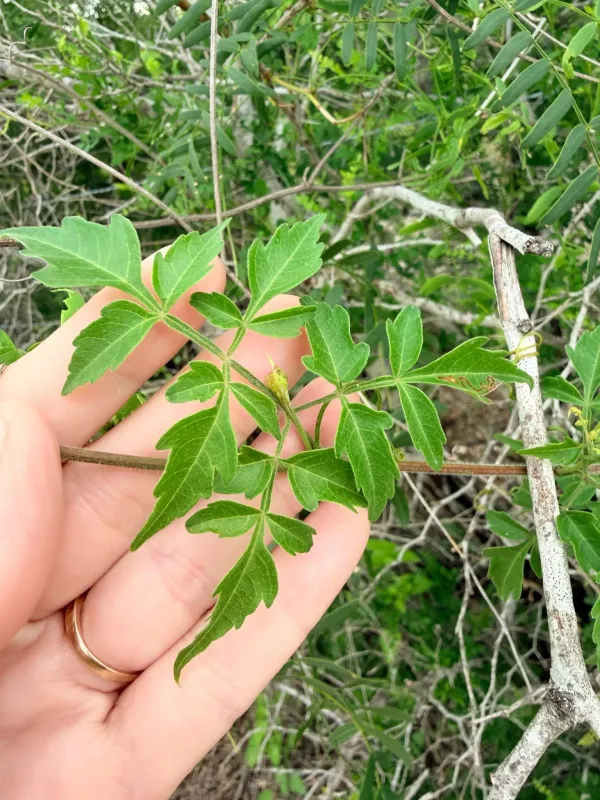
Description
Growing requirements
Serjania brachycarpa is a woody vine belonging to the Sapindaceae family. It is a vigorous climber known for its rapid growth in tropical ecosystems, where it utilizes its tendrils to ascend toward the forest canopy in search of sunlight.
Native to South America, this species thrives in tropical and subtropical regions. The natural habitat of this crop is characterized by high annual precipitation and consistent temperatures, which are essential for maintaining its metabolic processes.
Optimal growth requires well-drained, nutrient-rich soil with a slightly acidic to neutral pH. Proper soil structure is critical to prevent root suffocation, as the plant is highly sensitive to waterlogged conditions which often lead to fungal complications.
The cultivation of Serjania brachycarpa depends heavily on maintaining a balance of light and ambient temperature. While the plant loves humidity, it requires air circulation to prevent the onset of common diseases that typically plague tropical climbing species.
In agricultural and ethnobotanical contexts, the plant is primarily studied for its secondary metabolites. Research into its chemical composition continues to be a subject of interest, particularly in the fields of traditional medicine and pharmacological development.
Main diseases and pests
Major threats to Serjania brachycarpa include several leaf-spotting fungi that thrive in humid environments. Pests such as mealybugs and scale insects represent the most significant threat to the plant's health, often congregating along the stems and underneath leaves, draining vital nutrients.