
Serjania lethalis
Serjania lethalis
Description
Growing requirements
Serjania lethalis is a woody vine belonging to the Sapindaceae family. This perennial plant is well-adapted to the vertical growth strategies common in tropical forest environments, utilizing various structures as support to reach the forest canopy.
The native distribution of this species is centered in South America, particularly within the tropical regions of Brazil. It thrives in high-humidity climates where the temperature remains consistent throughout the year, favoring rapid vegetative development.
The species requires nutrient-rich, well-draining soils to sustain its vigorous growth. It is highly sensitive to environmental stressors such as frost or drought, which can significantly inhibit its metabolic processes and overall plant vitality.
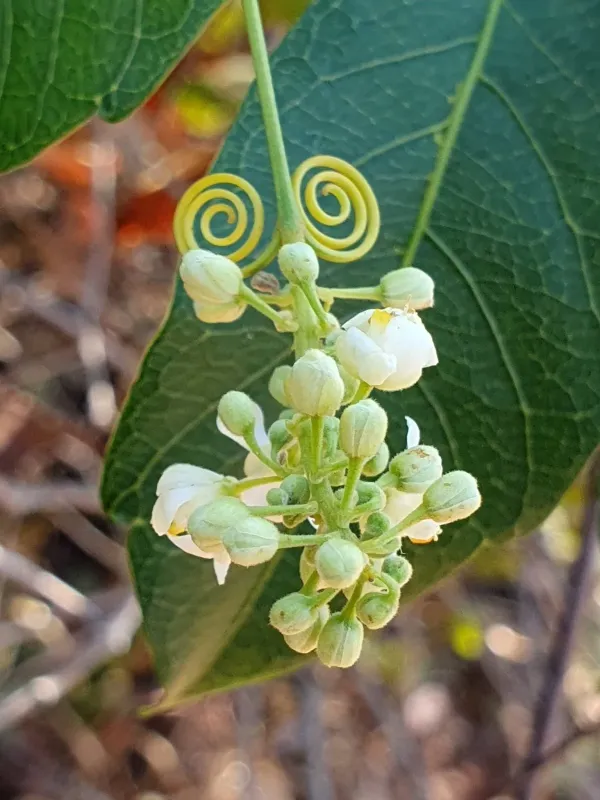
Botanically, it features complex, alternate leaves and small, cluster-borne flowers. The stem structure is highly evolved, showing the characteristic anatomy of the Serjania genus, which provides the necessary flexibility for climbing and survival in competitive environments.
Economic utility is largely restricted to scientific or ethnobotanical studies due to the plant's toxicity. In agricultural contexts, it is treated as a noxious species that requires monitoring and management to prevent accidental livestock poisoning.
Main diseases and pests
The primary concern regarding this plant is its high toxicity to domestic animals. Consumption of foliage by livestock on grazing lands often leads to severe health complications, making it a liability in areas where it spreads unchecked.
Few pests pose a significant threat to Serjania lethalis because of its potent chemical defense mechanisms. Most agricultural pests avoid the plant entirely, as its secondary metabolites serve as a powerful deterrent against herbivory and localized pathogen outbreaks.