
Serjania curassavica
Serjania curassavica
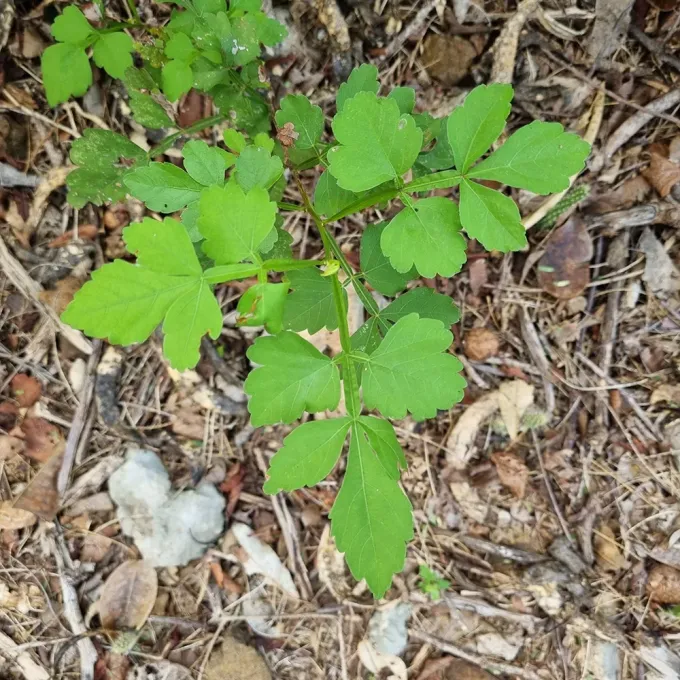
Description
Growing requirements
Serjania curassavica is a woody vine species belonging to the Sapindaceae family. It is native to the tropical regions of the Americas, particularly thriving in the Caribbean basin, where it grows as part of diverse forest ecosystems.
The crop requires a tropical climate characterized by consistently warm temperatures throughout the year. It does not tolerate frost, making it suitable only for regions without extreme cold snaps. Bright, filtered light is ideal for its development.
Soil requirements involve well-draining, nutrient-rich substrates. While the plant can adapt to various soil types, loamy soils with slightly acidic to neutral pH levels provide the best growth conditions for establishing its deep root system.
As a climbing vine, Serjania curassavica requires structural support to reach its full potential. In an agricultural setting, trellises, fences, or companion tree plantings are necessary to manage its vigorous vertical growth patterns.
Cultivation practices focus on balanced irrigation and regular nutrient supplementation. During the active growing season, consistent moisture is vital, while water application should be reduced slightly during cooler or naturally dormant periods.
Main diseases and pests
The primary threats to Serjania curassavica include fungal infections such as leaf spot and mildew, which often flourish in high-humidity tropical environments. Ensuring proper spacing and airflow is critical for disease prevention.
Pests, particularly aphids, scales, and spider mites, can cause significant damage to young shoots and leaves. Regular scouting is recommended to detect these pests early and apply appropriate integrated pest management strategies.
Root rot is a major physiological threat if the soil remains waterlogged. Ensuring that the planting site has excellent drainage and avoiding over-irrigation are key components of maintaining long-term plant health.
Invasive weed species can compete with the vines for sunlight and water, especially during the establishment phase. Using mulch or mechanical weeding in the planting zone is necessary to keep the area clean and productive.
Environmental stress, such as extreme winds or heavy storms, can damage the vine's climbing mechanisms. Providing shelter through natural windbreaks is an effective way to protect the integrity of the plant structure.