
Serjania communis
Serjania communis
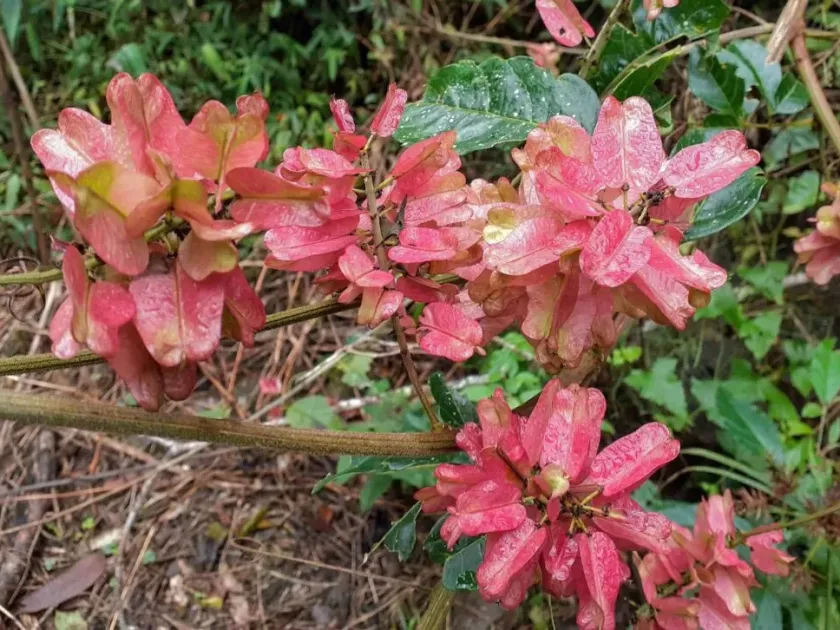
Description
Growing requirements
Serjania communis is a perennial woody vine belonging to the Sapindaceae family. Native to the tropical regions of Central and South America, this plant is well-adapted to humid forest environments and thrives under canopy conditions.
The plant requires a tropical climate with high humidity and consistent warmth to maintain vigorous growth. It is highly sensitive to frost and cold snaps, which makes it suitable primarily for warm, frost-free agricultural zones or controlled environments.
For soil conditions, Serjania communis prefers well-drained, fertile substrates rich in organic matter. Proper soil aeration is essential, as the roots are prone to rot if kept in continuously waterlogged or heavy clay-like soils.
Botanically, the species is distinguished by its climbing habit, utilizing specialized tendrils to ascend toward light. The foliage is typically complex and compound, contributing to a high surface area for light absorption in the forest understory.
Regarding its utility, the plant has historically been utilized for its phytochemical properties. Various parts of the vine are recognized in traditional ethnomedicine for their potential medicinal applications and active compounds.
Main diseases and pests
The primary threats to the cultivation of Serjania communis involve fungal infections of the root system. These often occur when soil drainage is poor or when environmental humidity is stagnant without sufficient air movement.
Insect pests, including aphids, mealybugs, and spider mites, are common threats in closed cultivation systems. These pests can cause significant leaf damage and inhibit the vine's climbing potential.
Effective management strategies include the implementation of drip irrigation to avoid wetting the foliage excessively, which helps in preventing fungal outbreaks and leaf spot diseases.
Regular inspection of the vine stems and the underside of leaves is necessary to detect pest infestations early. Integrated pest management (IPM) is highly recommended over synthetic chemical usage.
Maintaining a healthy, balanced soil microbiome can also provide natural resistance against common pathogens, ensuring the longevity of the vine in a controlled setting.