
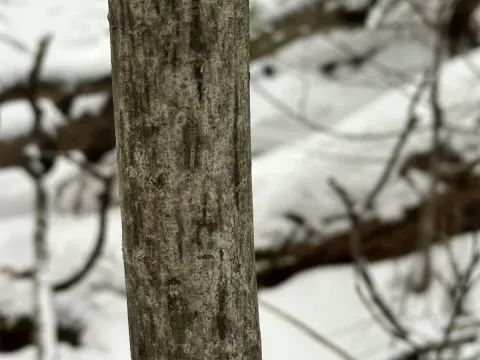
Snakebark maple
Acer tegmentosum
Snakebark maple seeds possess a deep dormancy, making stratification essential for successful germination. In nature, seeds undergo a cold period throughout the winter, which allows them to sprout in the spring.
What the section contains
Snakebark maple
For nursery production, seeds are typically sown in late autumn, allowing the natural winter cycle to break dormancy. This is the most reliable method for achieving consistent and healthy seedling emergence.
Alternatively, cold stratification can be performed artificially by keeping seeds in a moist medium at temperatures between 0 and 5 degrees Celsius for approximately 90 to 120 days before sowing.
When sowing in the spring, ensure the substrate is kept consistently moist. Seeds should be planted at a shallow depth of approximately 2–3 centimeters to prevent them from drying out or struggling to reach the surface.
Maintaining a clean and weed-free seedbed is critical during the first few months of development. Young maple saplings are sensitive to competition and require proper space to develop a strong root system.
The Snakebark maple, a member of the Sapindaceae family, is prized for its unique greenish-white striped bark. It thrives in fertile, well-draining soil that retains moderate levels of moisture throughout the growing season.
While this tree is quite shade-tolerant, it requires adequate light to fully showcase its distinctive bark patterns and foliage color. Ideally, it should be planted in areas protected from strong, drying winds.
The species is highly frost-hardy and adapts well to cold climates, making it an excellent choice for northern regions. It does not require special winter protection once the tree has established itself in the landscape.
Proper maintenance includes regular mulching around the root zone, which helps preserve soil moisture and regulate temperature. Avoid waterlogged soils, as the species is sensitive to root rot caused by poor drainage.
Regular monitoring of soil pH is recommended, as the tree performs best in slightly acidic to neutral soils. In nutrient-deficient areas, a balanced fertilizer application in early spring can promote vigorous growth.
Snakebark maple is generally resilient, but it can be susceptible to fungal diseases such as powdery mildew or leaf spot, especially in environments with poor air circulation or excessive humidity levels.
Insect pests, including aphids and spider mites, are common nuisances that may feed on the foliage during the summer months. Monitoring the undersides of leaves is essential for early detection.
Boring insects may target trees that are already stressed by drought or environmental damage. Maintaining overall tree health through proper watering and site selection is the best defense against these pests.
Sanitation practices, such as removing fallen leaves and pruning dead or diseased branches, significantly reduce the incidence of fungal pathogens. Always sanitize pruning tools to prevent cross-contamination.
If chemical intervention becomes necessary, use targeted treatments for specific pests or diseases, ensuring that all applications follow environmental safety guidelines to protect beneficial insects.