
Serjania diversifolia
Serjania diversifolia
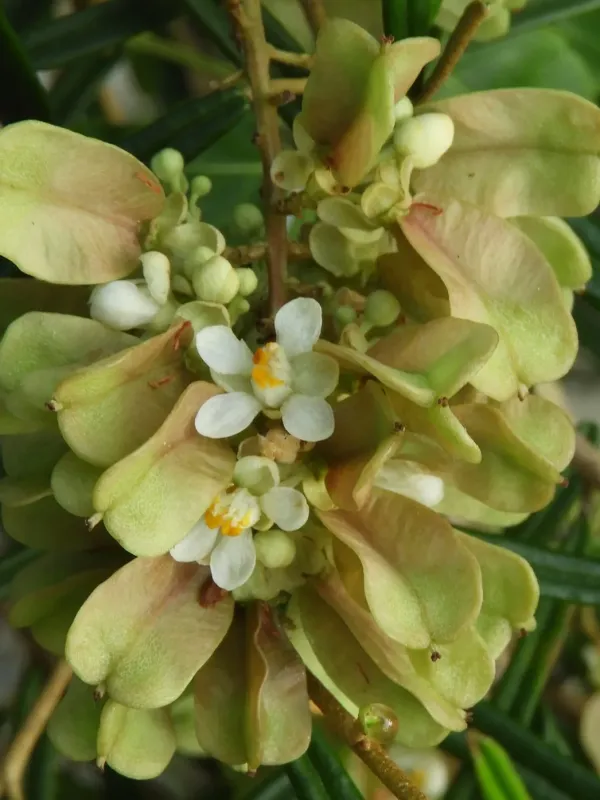
Description
Growing requirements
Serjania diversifolia is a woody climbing vine belonging to the Sapindaceae family. It is native to the tropical regions of the Americas, where it thrives in diverse forest habitats, utilizing woody structures for structural support to reach sunlight.
The plant demonstrates distinct botanical characteristics, including compound leaves and a robust, climbing stem system. It is well-adapted to high-humidity environments and requires consistent tropical warmth to complete its growth cycles effectively.
Soil requirements for this species include well-drained, nutrient-rich substrates. The plant is sensitive to waterlogging, so ensuring adequate soil aeration is crucial for preventing root-related physiological stresses and promoting vigorous vegetative development.
Climate adaptation is primarily restricted to frost-free zones. The plant requires significant solar exposure for optimal photosynthesis, although it exhibits a degree of shade tolerance in its juvenile stages of development.
Agrotechnical management involves providing suitable trellising systems to mimic the natural support structures of a forest ecosystem. Pruning is essential to manage the invasive nature of the vines and to maximize the health of the primary stems.
Main diseases and pests
Typical threats include infestation by leaf-eating insects which are prevalent in tropical agro-ecosystems. These pests can significantly reduce photosynthetic efficiency if not managed through proper monitoring and biological control.
Fungal pathogens represent a major risk during periods of excessive rainfall. Leaf spots and stem rots are the most common consequences of sustained humidity combined with poor airflow within the plant canopy.
Soil-borne pathogens may lead to root decline if the substrate is compacted or poorly drained. Maintaining a balanced soil structure is the most effective preventative measure against these types of underground infections.
Sap-sucking mites often target the tender growing tips of the vine, leading to stunted shoot growth and deformation. Early identification is key to mitigating damage to the structural integrity of the plant.
Integrated pest management strategies are recommended to maintain the ecological balance in areas where this species is cultivated. Avoiding over-reliance on chemical interventions helps preserve beneficial insect populations.