
Serjania atrolineata
Serjania atrolineata
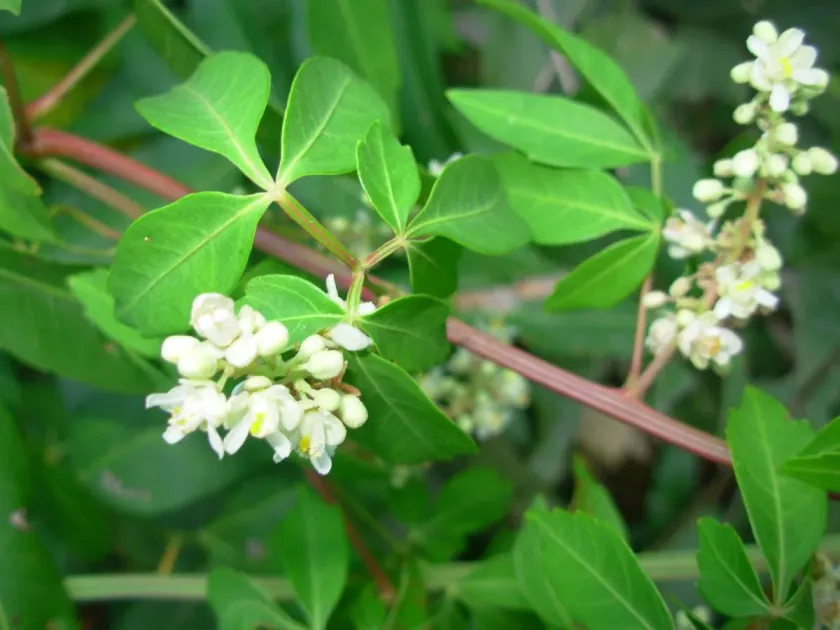
Description
Growing requirements
Serjania atrolineata is a perennial woody vine belonging to the Sapindaceae family. Native to the tropical ecosystems of the Americas, this species is well-adapted to high-humidity, warm environments where it can climb toward the forest canopy.
The plant thrives in regions with tropical climates, requiring consistent warmth throughout the year. It cannot survive freezing temperatures, and even mild cold snaps can cause severe damage to the vascular system of the vines.
Soil requirements for optimal growth focus on fertility and drainage. The plant prefers organic-rich, loamy soils that retain moisture without becoming waterlogged. Proper soil aeration is essential for preventing root rot, which is a common issue in over-watered environments.
To cultivate Serjania atrolineata effectively, providing artificial support is mandatory. In greenhouse or nursery settings, trellises or netting are used to accommodate the vine's climbing habit, ensuring efficient space management and light exposure for photosynthesis.
Maintenance involves frequent irrigation during the peak growth season and the application of balanced fertilizers. High humidity levels are beneficial, often requiring misting systems when grown in environments with fluctuating dry air conditions.
Harvesting
Economic use of Serjania atrolineata is primarily focused on the extraction of phytochemicals, which are traditionally studied for their biological activity within the context of ethnobotany.
The harvesting process targets stems and bark, which are gathered during the peak season when concentrations of target secondary metabolites are highest. Precision in harvesting is crucial to ensure the long-term health and regrowth of the parent vine.
Post-harvest handling involves cleaning the materials followed by a controlled drying phase. Slow air-drying in shaded, well-ventilated areas is the preferred method to prevent the thermal degradation of sensitive chemical components.
Storage must be carried out in a cool, dry environment. Since some of the plant's active compounds are sensitive to light and oxidation, hermetically sealed containers are recommended to maintain the shelf life and potency of the raw plant matter.
The final processing usually involves milling or solvent extraction, which is conducted according to laboratory standards to ensure the safety and consistency of the bioactive plant extracts.