
Siebold's Maple
Acer sieboldianum
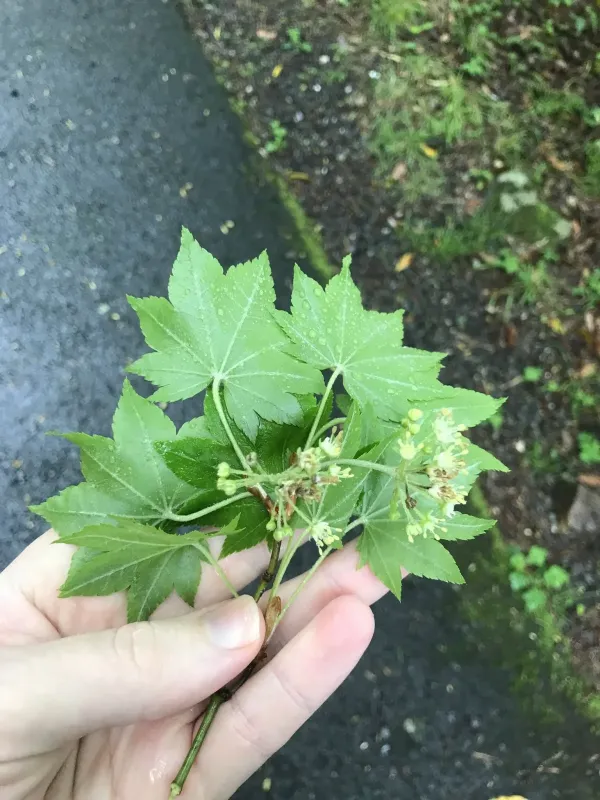
Description
Sowing dates
The seeds of Siebold's Maple require cold stratification for approximately 90 to 120 days to break dormancy and ensure high germination rates in the spring.
Sowing should be carried out in a well-draining seedbed or containers filled with a sandy peat mix to provide the necessary conditions for delicate young roots.
For best results, seeds should be sown in the autumn, allowing them to remain outdoors throughout the winter season for natural environmental conditioning.
Seedlings typically require shade for the first two growing seasons to prevent foliage scorch from direct sunlight, which is critical for their early survival.
Transplanting into the permanent garden site is recommended when the tree reaches a height of at least 30–50 centimeters to ensure better resilience.
Growing requirements
Siebold's Maple is a member of the Sapindaceae family and is highly valued in horticulture for its beautiful palmate leaves and compact growth habit.
This species thrives in fertile, slightly acidic, and well-drained soils, showing a strong intolerance to waterlogged sites or stagnant soil moisture conditions.
While the tree is hardy, it benefits significantly from being placed in a location sheltered from harsh winter winds and intense, drying summer sun.
The cultural requirements include consistent moisture, especially during the first few years after planting, to establish a deep and healthy root system.
Routine maintenance includes applying a layer of organic mulch around the base of the trunk to regulate soil temperature and retain essential moisture levels.
Main diseases and pests
Verticillium wilt is a serious vascular disease that can cause sudden dieback of branches and is often fatal to maple trees in unsuitable soil conditions.
Powdery mildew and various leaf spots are common issues during cool, damp spring weather, affecting the visual appeal of the tree's fine foliage.
Pests such as scale insects and mites can infest the leaves and stems, causing yellowing and stunted growth if left unmanaged for an extended period.
Root damage caused by poor soil drainage remains the most significant threat to the long-term health of Siebold's Maple in garden landscapes.
- Prune and destroy infected plant parts immediately.
- Monitor for pest outbreaks during the spring and early summer.
- Maintain proper air circulation through selective branch thinning.