
Sapindus rarak
Sapindus rarak
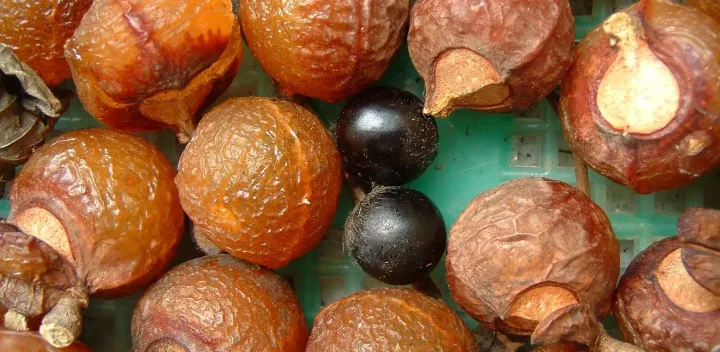
Description
Growing requirements
Sapindus rarak, commonly known as the soap nut tree, belongs to the Sapindaceae family. It is a large evergreen tree native to the tropical regions of Southeast Asia, thriving in warm and humid environments.
The tree requires significant annual rainfall and deep, fertile soils to reach its full potential. Adequate soil drainage is critical to prevent root diseases, which are the most common cause of plantation failure.
As a tropical species, it does not tolerate frost and prefers stable temperatures throughout the year. It grows best in full sunlight but benefits from protection during the seedling stage.
In terms of silviculture, the tree is valued for its rapid growth rate once established. It serves as an excellent candidate for agroforestry systems in equatorial regions.
The primary utility of the plant lies in its fruits, which contain high concentrations of saponins, natural chemicals that function as effective biodegradable surfactants for cleaning and hygiene.
Main diseases and pests
The main threats to Sapindus rarak include root rot caused by poor soil drainage or waterlogging during the rainy season, which can prove fatal to established trees.
Insect pests, such as mealybugs, aphids, and scale insects, frequently target the foliage, causing significant stress and potentially stunting the tree's growth.
Fungal infections can develop in the canopy if the humidity is too high and air circulation is insufficient, leading to leaf spot or branch dieback.
Nutrient deficiencies, particularly in nitrogen and phosphorus, can make the tree more susceptible to opportunistic pathogens, requiring a balanced fertilization schedule.
Effective management involves regular canopy pruning to ensure light penetration and air movement, combined with integrated pest management to keep damage at tolerable levels.
Harvesting
The harvest cycle begins when the fruits fully mature, turning a deep brown color and exhibiting a hardened outer shell which indicates maximum saponin density.
Fruits should be harvested carefully by hand or by using soft nets under the tree canopy to prevent bruising, as damaged shells lose their commercial appeal.
Post-harvest processing involves sun-drying the fruits until the shells are brittle and easily separable from the seeds, which are typically discarded or processed separately.
Proper storage is essential; the dried husks must be kept in cool, moisture-free conditions to prevent molding and the premature degradation of the active saponin compounds.
The final product is widely distributed as a raw material for the organic cosmetic industry, providing a renewable and eco-friendly alternative to synthetic cleaning agents.