
Mexican serjania
Serjania mexicana
Description
Growing requirements
Mexican serjania (Serjania mexicana) is a perennial woody vine belonging to the Sapindaceae family. Native to the tropical regions of Mexico and Central America, it is adapted to warm, humid environments where it thrives in the understory and edges of secondary forests.
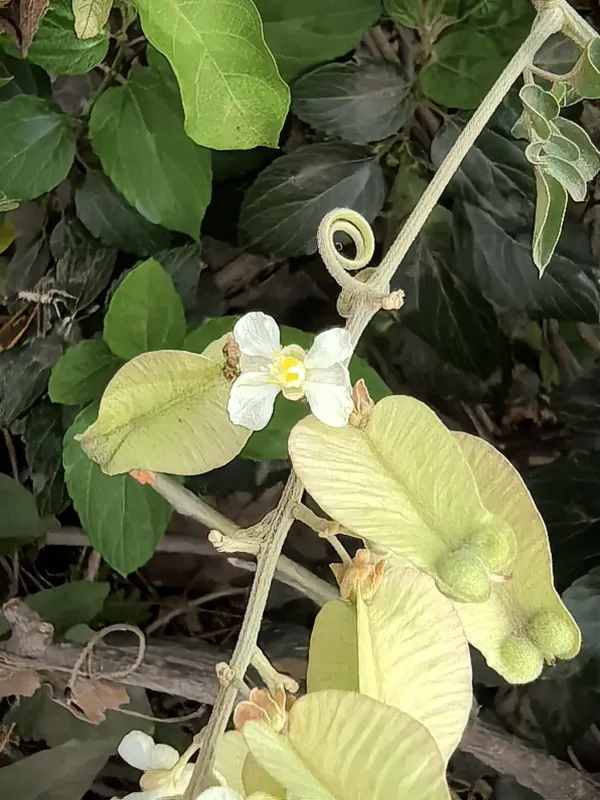
Botanically, the plant is characterized by its vigorous climbing habit, utilizing specialized tendrils to anchor itself to supporting vegetation. Its stems are flexible yet resilient, often exhibiting the distinct structural complexity common to the genus Serjania, allowing it to navigate dense forest canopies efficiently.
Regarding climatic requirements, Serjania mexicana demands consistent warmth and high humidity. It is sensitive to frost and low temperatures, which can severely damage its foliage and limit its growth. Optimal development occurs in locations with high sunlight exposure, although partial shade is tolerated during the plant's early growth stages.
The soil requirements focus on high drainage and organic content. The plant performs best in fertile, well-draining loams that prevent water stagnation around the root system. Proper soil pH, ranging from slightly acidic to neutral, is essential for nutrient uptake and long-term health of the vine.
In terms of agricultural use, this species is primarily cultivated for its secondary metabolites, which are of interest to the pharmaceutical and research sectors. Due to its climbing nature, cultivation often requires robust support structures, especially in commercial nurseries or experimental gardens focused on medicinal plant production.
Main diseases and pests
The primary threats to Serjania mexicana include root rot diseases caused by soil-borne fungi, typically triggered by overwatering or poor drainage. Foliar diseases, such as powdery mildew, may also occur in environments with stagnant air and high ambient humidity.
Common pests affecting the plant include spider mites and scale insects, which target the leaves and stems, sucking the sap and reducing the plant's overall vigor. In certain regions, leaf-eating caterpillars can cause significant defoliation if left unmanaged during the peak growing season.
Proactive disease management involves maintaining adequate spacing between individual plants to promote airflow, thereby reducing the risk of fungal proliferation. Pruning away dead or diseased material is a vital cultural practice to keep the vine healthy and productive.
Pest control strategies should emphasize integrated management, utilizing biological agents or horticultural soaps to minimize the impact on the environment. Regular inspection of the foliage is necessary to detect infestations early and prevent them from reaching damaging thresholds.
Environmental management, including the monitoring of soil moisture levels, remains the most effective defense against the most common threats to the cultivation of Mexican serjania. Maintaining a balanced growing environment significantly enhances the plant's natural resistance to diseases and insect pressure.