
Schneider's Maple
Acer schneiderianum
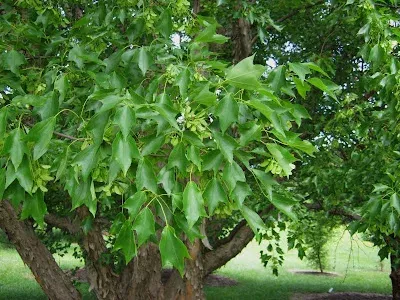
Description
Growing requirements
Schneider's Maple (Acer schneiderianum) is a distinctive tree species belonging to the Sapindaceae family. Originating from the mountainous regions of China, particularly in Yunnan and Sichuan provinces, it thrives in mixed deciduous forests with sufficient rainfall.
The species requires a climate that provides cool, humid conditions without extreme temperature fluctuations. It is best suited for sites with deep, nutrient-rich soils that have excellent drainage properties to prevent root suffocation.
Cultivation practices should focus on maintaining consistent soil moisture, especially during the first few years of establishment. Mulching is highly recommended to mimic the forest floor environment, which helps in temperature regulation and weed suppression.
When selecting a site, it is vital to protect the tree from harsh, dry winds that can damage the delicate foliage. While it can adapt to light shade, partial sun exposure during the morning hours often yields the best structural development.
In terms of usage, this maple serves as an important specimen in botanical collections and specialized arboreta. Its aesthetic value is derived from its unique leaf morphology, making it a desirable candidate for landscape projects that prioritize rare species.
Main diseases and pests
Schneider's Maple is susceptible to various fungal pathogens, such as powdery mildew, which can thrive in high-humidity settings with poor air circulation. Proper spacing between trees is essential to mitigate these risks effectively.
Pests, including scale insects and aphids, may occasionally attack the tree, targeting the sap and leaves. Integrated pest management strategies, such as introducing natural predators or using horticultural oils, are effective control measures.
Verticillium wilt is a concern for many maple species and can affect Acer schneiderianum if the soil conditions are suboptimal. Planting in well-drained soil and maintaining tree vigor through proper nutrient management are key preventive practices.
Physical damage to the root system or the trunk should be avoided, as open wounds provide entry points for opportunistic pathogens. Regular monitoring of the foliage and stems is advised throughout the growing season to detect early signs of stress.
Maintaining a clean environment around the tree base, free of leaf litter and debris, can also reduce the buildup of overwintering pest populations. A holistic approach to tree health ensures the longevity of this rare maple species.