
Serjania acoma
Serjania acoma
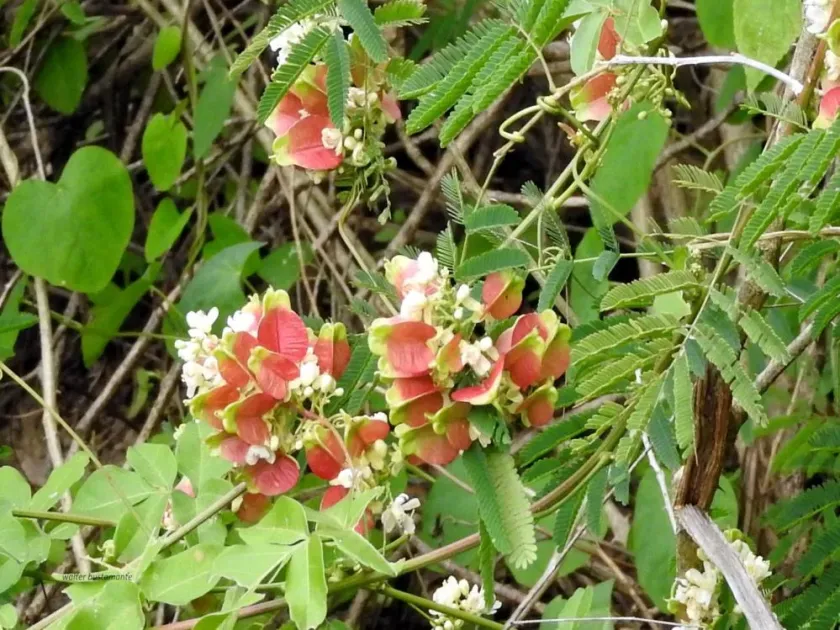
Description
Growing requirements
Serjania acoma is a woody vine species belonging to the family Sapindaceae. Native to the tropical environments of South America, it thrives in regions with stable, warm temperatures and high levels of atmospheric humidity.
The botanical characteristics of this plant include a climbing habit with complex leaf structures. It utilizes climbing mechanisms to reach the canopy layer, which is typical for many vines in this taxonomic family. Reproduction involves the production of winged seeds that disperse via wind currents.
The climate requirements for Serjania acoma are strict, focusing on consistent warmth and protection from frost. It prefers bright, filtered light, mimicking the environment of the forest understory or edges where the intensity of the sun is moderated by larger trees.
Soil conditions for optimal growth involve a well-draining, nutrient-rich substrate. While it requires constant moisture, the plant is susceptible to root rot if the soil remains waterlogged. Ensuring a proper balance of irrigation and aeration is essential for cultivation.
Regarding хозяйственное use, Serjania acoma is not a common commodity crop but is primarily of interest for botanical research and ethnobotanical studies. Its chemical profile makes it a subject of exploration in medicinal research within its native range.
Main diseases and pests
Root rot is the most significant threat to the health of the plant, often induced by overwatering or soil with poor drainage. Establishing a strict watering regimen based on the drying cycle of the topsoil is necessary.
Common pests such as spider mites and mealybugs can infest the foliage, particularly in indoor or greenhouse settings where air humidity may fluctuate. Frequent monitoring is advised to prevent significant outbreaks.
Fungal leaf spot diseases may appear if the foliage remains wet for prolonged periods without adequate airflow. Pruning to maintain plant structure helps in reducing the density of the vine and promoting better air circulation.
If chemical interventions are required, application should be localized and specific to the pest to minimize damage to the plant's delicate vascular system.
Maintaining the overall vitality of the plant through proper nutrition and balanced sunlight serves as the primary defense mechanism against diseases and infestations.