
Serjania glabrata
Serjania glabrata
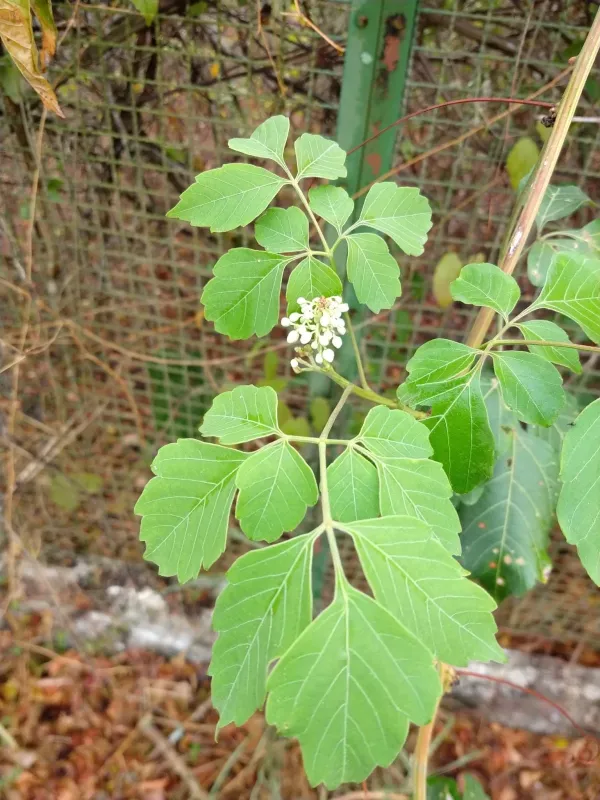
Description
Growing requirements
Serjania glabrata is a climbing woody liana belonging to the Sapindaceae family. It is native to the tropical and subtropical zones of the Americas, where it thrives as a significant component of forest ecosystems, often climbing high into the canopy.
The botanical structure of this species includes compound, often trifoliate or pinnate leaves, which are characteristic of the Serjania genus. As a climber, it employs specialized tendrils to anchor itself to host trees and shrubs, allowing it to reach optimal light levels.
This species demands a warm, frost-free climate with consistently high humidity. It is inherently sensitive to cold stress and performs best in environments where temperatures remain stable, avoiding drastic fluctuations that could harm its vascular system.
Soil requirements for Serjania glabrata include well-draining substrates rich in organic matter. While it prefers moist soil, it is intolerant of waterlogged conditions, which can lead to rapid decay of the root structure in tropical settings.
Its utilization is primarily focused on scientific study due to the diverse chemical secondary metabolites found within its stems and leaves, which are often investigated for potential pharmacological applications.
Main diseases and pests
Common threats to Serjania glabrata include various lepidopteran larvae that feed on the foliage, potentially causing significant defoliation if left unchecked during the peak growth season.
Fungal pathogens represent a primary concern in high-humidity habitats, where Cercospora and other leaf-spot fungi can colonize the leaves, leading to reduced photosynthetic surface area and premature senescence.
Root-knot nematodes can inflict damage on the root system, hindering nutrient uptake and water absorption, which leaves the liana vulnerable to drought stress and competing plant species.
Spider mites often attack the plant during dry spells or in greenhouse conditions, piercing the leaf cells and causing chlorosis, which can lead to significant tissue damage if not addressed promptly.
Effective management includes monitoring the microclimate to ensure adequate ventilation, avoiding excessive water accumulation on the leaves, and employing integrated pest management techniques to control local herbivore populations.