
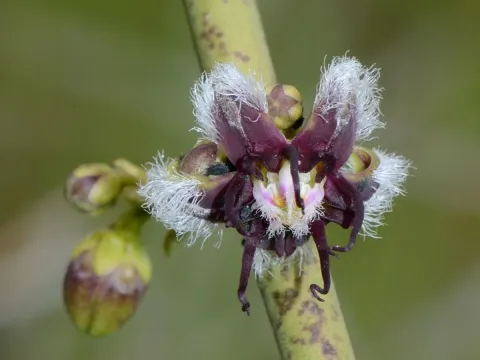
Silk vine
Periploca L.
Silk vine (genus Periploca) belongs to the Apocynaceae family and comprises several species of deciduous woody vines. These plants are prized for their vigorous growth and ability to cover large vertical surfaces rapidly.
What the section contains
Silk vine
Native to warm temperate and subtropical regions of Eurasia, silk vine has adapted to a variety of environments, ranging from riverbanks to rocky mountain slopes. This adaptability makes it a versatile choice for gardeners looking for hardy climbers.
For optimal performance, the plant requires deep, fertile, and well-drained soil. It thrives best in positions that receive full sun to partial shade, which encourages the development of healthy, foliage-rich stems throughout the growing season.
The plant is relatively drought-tolerant once established but performs best when provided with regular moisture during hot summer months. It is important to ensure that the site has good air circulation to maintain the vitality of the plant.
Cultivation requires sturdy support systems such as fences, trellises, or pergolas. Pruning should be carried out in late winter or early spring to remove dead wood and manage the size of the plant to prevent it from overwhelming neighboring garden structures.
Common pests include aphids and spider mites, particularly in hot, dry environments where the plant may experience physiological stress. Monitoring for early signs of infestation is crucial to prevent rapid spread across the vine foliage.
Fungal issues such as powdery mildew can occasionally affect the plant, especially in areas with poor airflow or high humidity. Maintaining proper spacing and encouraging good air movement through the vine is the most effective cultural control method.