
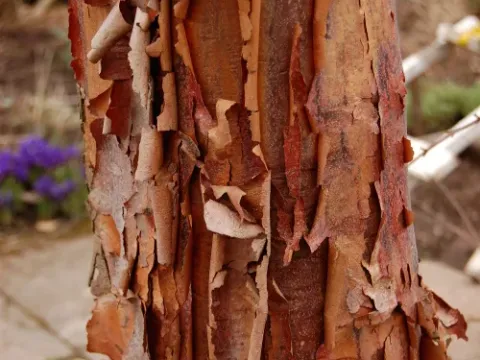
Snake-bark maple
Acer conspicuum
The Snake-bark maple (Acer conspicuum) is a member of the Sapindaceae family, highly prized in arboriculture for its distinctively striped, snake-skin-like bark patterns.
What the section contains
Snake-bark maple
Native to the mountain regions of East Asia, this species thrives in cool, moist forest environments that provide natural shade and wind protection.
Successful cultivation requires deep, fertile, and well-drained soil. It performs best in slightly acidic conditions and benefits significantly from annual mulching.
The tree prefers a sheltered position where it can be shielded from harsh, drying winds and scorching direct sunlight during the peak of summer.
Maintenance involves providing consistent irrigation during dry spells to ensure the root system stays cool and moist, mimicking its native woodland habitat.
Verticillium wilt is considered one of the most serious threats to this species, often affecting the vascular integrity of the trunk and branches.
Various aphid species are frequent pests that congregate on the underside of young leaves, weakening the overall vigor of the maple plant.
Spider mites can cause significant foliage damage during hot and dry weather, often leading to premature leaf browning and significant stress.
Fungal leaf spots and powdery mildew can occur, particularly in sites with poor air circulation or excessive overhead humidity during the growing season.
Preventative care, such as regular sanitation pruning and maintaining proper spacing between trees, is essential to mitigate the spread of these potential threats.