
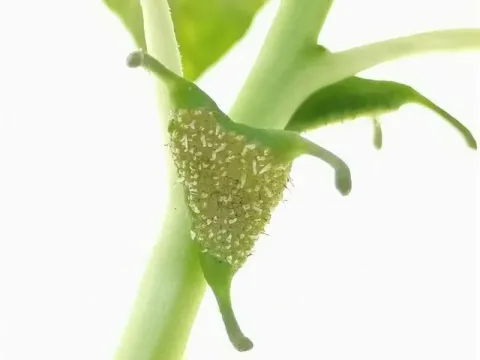
Dorstenia cuspidata
Dorstenia cuspidata
Dorstenia cuspidata is a distinct plant species belonging to the Moraceae family. It is recognized for its unique botanical features, including specialized inflorescences known as coenanthia, which are characteristic of the genus Dorstenia.
What the section contains
Dorstenia cuspidata
Native to tropical regions of Africa, this plant has evolved to thrive in forest understories. It typically occupies niches that provide filtered light and high humidity, which must be replicated in an agricultural or ornamental setting for optimal growth.
Soil requirements for Dorstenia cuspidata focus on excellent drainage and aeration. A substrate mix containing organic peat, coarse perlite, and decomposed leaf mold is ideal for providing the necessary nutrient profile while preventing root hypoxia.
Climate management requires maintaining temperatures between 22°C and 28°C. The species is sensitive to thermal fluctuations and cold stress, which can lead to metabolic disruption and susceptibility to opportunistic pathogens.
Irrigation practices should emphasize consistency without waterlogging. The plant requires moderate moisture throughout the growing season, with a significant reduction in watering frequency during the dormant phase to ensure root health.
The primary threats to Dorstenia cuspidata are root and crown rots caused by excessive moisture. These fungal diseases typically occur when the potting medium lacks adequate drainage or when irrigation is excessive during periods of low light.
Common pests include spider mites and mealybugs, which thrive in indoor environments with low humidity. These pests damage the foliage and stems, often leaving the plant vulnerable to secondary bacterial or viral infections.
Management strategies focus on prophylactic measures such as regular sanitation, proper air circulation, and maintaining balanced humidity levels. Early detection through frequent inspection of the plant canopy is crucial for control.
When infestation occurs, the use of targeted biological or chemical control agents is recommended. Careful application ensures that the plant tissue is not harmed, while effectively reducing the pest population to manageable levels.
Integrated disease management involves replacing contaminated soil and pruning infected tissues. This holistic approach prevents systemic failure and promotes the long-term health and productivity of the plant specimen.