
Dorstenia bahiensis
Dorstenia bahiensis
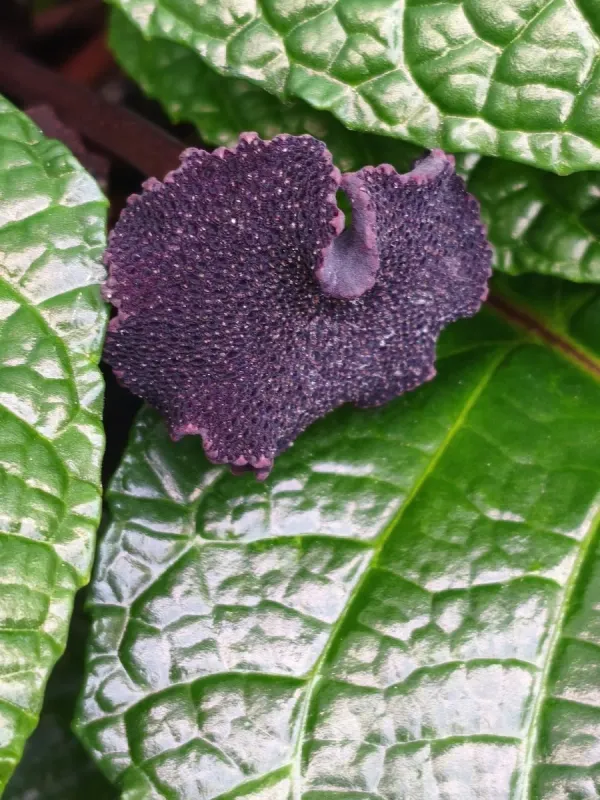
Description
Growing requirements
Dorstenia bahiensis is a remarkable succulent species belonging to the Moraceae family. Originating from the humid forests of Brazil, this plant has adapted to shaded environments, making it a unique choice for indoor cultivation in temperate climates.
To thrive, the plant requires consistent temperatures ranging between 20°C and 28°C. It is sensitive to extreme cold and drafts, which can lead to rapid leaf drop and systemic shock if the plant is not acclimated properly.
A well-draining substrate is mandatory for the health of Dorstenia bahiensis. A mixture composed of peat-free potting soil, coarse sand, perlite, and a small amount of charcoal ensures that excess water drains quickly, preventing root asphyxiation.
Watering should be approached with caution, allowing the substrate to dry out significantly between sessions. During the winter, the plant enters a semi-dormant phase, requiring only minimal hydration to maintain its structure.
Bright, indirect light is the ideal lighting condition for this species. Direct tropical sunlight can be too harsh and may cause irreversible leaf scorching, so placing the plant behind a sheer curtain is often recommended.
Main diseases and pests
Spider mites are a persistent threat to Dorstenia bahiensis, particularly in dry indoor conditions. Regular inspection of the undersides of the leaves is necessary to catch infestations before the foliage becomes severely damaged.
Mealybugs are known to colonize the junctions of the stems and leaf axils. Their presence can be identified by the white, cotton-like masses, which should be immediately treated with insecticidal soaps or systemic treatments.
Root rot is the most lethal condition for this succulent, usually caused by overwatering or poor drainage. Once roots turn mushy and dark, saving the plant becomes difficult, necessitating immediate repotting in fresh, dry soil.
Fungal infections, such as leaf spot, can appear if the plant is kept in an environment with high humidity and stagnant air. Increasing circulation around the plant is essential to prevent these opportunistic pathogens.
Scale insects can attach themselves to the stems, piercing the epidermis to extract sap. If left untreated, these pests weaken the plant's overall vigor, making it susceptible to secondary viral infections and bacterial decay.