
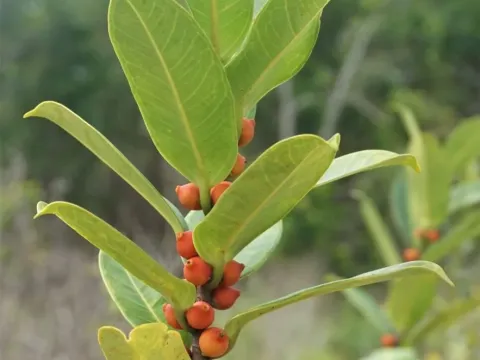
Ficus acamptophylla
Ficus acamptophylla
Ficus acamptophylla is a woody perennial species belonging to the Moraceae family. Native to tropical regions, this plant is characterized by its robust structure and specialized leaf morphology, which allows it to thrive in diverse tropical ecosystems.
What the section contains
Ficus acamptophylla
The species requires a climate that maintains stable temperatures and high relative humidity. It is typically found in environments with consistent rainfall patterns, which has influenced its physiological adaptation to moisture-retentive but well-draining soils.
For cultivation purposes, a balanced, nutrient-rich potting medium with a pH level between 6.0 and 7.0 is recommended. The plant demonstrates high sensitivity to root zone waterlogging, necessitating the inclusion of coarse components in the soil mix to improve drainage.
Optimal growth is achieved under bright, indirect light conditions. Excessive direct solar radiation may cause photodamage to the leaves, whereas insufficient lighting results in etiolation and reduced vigor, impacting the overall development of the canopy.
Agricultural management of this crop involves precise irrigation schedules and consistent fertilization programs during the growth phase. Periodic pruning is essential to maintain plant shape and stimulate secondary growth, which contributes to overall plant health.
The primary diseases affecting this Ficus species are fungal in origin, with Botrytis and root rot being the most significant threats. These conditions are exacerbated by poor air circulation and excessive substrate moisture.
Common insect pests include spider mites, mealybugs, and scale insects. These organisms thrive in sheltered environments, posing a threat to the leaves and stems by sucking sap and weakening the plant structure significantly.
Effective management strategies incorporate both preventive measures and corrective chemical treatments. Implementing a strict Integrated Pest Management (IPM) plan is crucial for maintaining a healthy and productive plant population in commercial setups.
Sanitation practices such as removing fallen leaves and cleaning cultivation surfaces are vital to breaking the disease cycle and limiting the inoculum pressure within the greenhouse or nursery environment.
Regular inspection of the underside of leaves and branch axils is necessary to detect early-stage infestations, allowing for immediate intervention before the pests reach a threshold that causes substantial economic damage.