
Dorstenia cayapia
Dorstenia cayapia
Description
Sowing dates
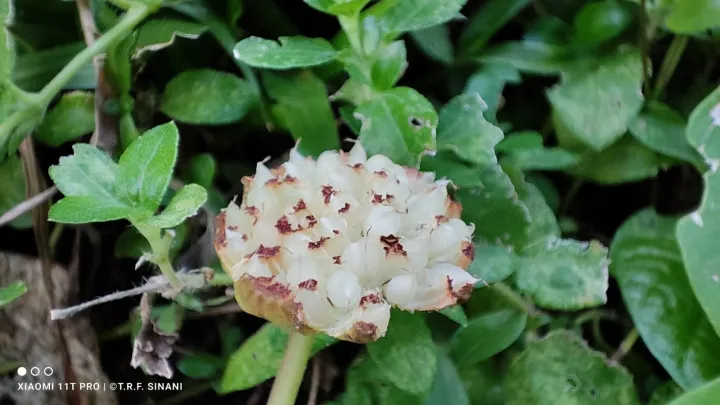
Dorstenia cayapia is an herbaceous perennial plant belonging to the Moraceae family. It is recognized for its unique, thick, tuber-like root structure which makes it a species of interest for both botanical research and niche horticultural practices.
Propagation is typically performed through seeds or root division. Seeds must be sown in a well-draining, sterile substrate that retains sufficient moisture to support germination without causing the seeds to rot.
The optimal sowing time is early spring, which coincides with the natural growth cycle of the plant as daylight hours increase. Maintaining a constant temperature above 22 degrees Celsius is essential for high germination rates.
Seedlings are extremely delicate and require a humid environment. When the first true leaves emerge, the plants can be carefully transplanted into individual pots, ensuring that the root system remains undisturbed.
Consistent light exposure is necessary to encourage healthy development, though young plants should be protected from direct, intense sunlight to prevent desiccation and burning of the foliage.
Growing requirements
Dorstenia cayapia thrives in conditions that mimic the humid understory of tropical forests. It requires bright, indirect light, making it suitable for shaded greenhouse environments or window locations with filtered sunlight.
The soil must be airy and porous. A mixture of peat, perlite, and pine bark is often recommended to prevent waterlogging, which is the leading cause of mortality in this species due to root rot.
Watering should be managed with precision. The substrate should be kept consistently moist but never waterlogged. During the winter dormancy period, the plant requires significantly less water to allow the tubers to rest.
Humidity is a critical factor for successful cultivation. Keeping ambient humidity levels above 60% helps the plant maintain its lush foliage and promotes healthy growth, especially in indoor settings.
Temperature stability is vital. The plant prefers a stable thermal environment and performs best when temperatures stay within the 20 to 25 degrees Celsius range, avoiding any exposure to cold drafts.
Yield
The economic value of Dorstenia cayapia is largely derived from its medicinal properties. The roots are harvested for their concentrated phytochemical compounds which are used in experimental pharmacology.
Harvesting typically occurs after two or three years of growth, once the tuberous root system has reached sufficient size and maturity to yield an adequate amount of active substances.
The yield is influenced by the quality of care provided during the vegetative phase. Controlled conditions in a greenhouse setting can significantly improve both the quantity and the consistency of the harvested root biomass.
Post-harvest processing involves cleaning and carefully drying the roots at low temperatures to ensure the stability of the plant's compounds. Proper storage in dry, dark conditions is essential for maintaining product quality.
In decorative horticulture, the "yield" is observed in the plant's ability to produce vibrant foliage and maintain structural integrity, making it a sought-after item for exotic plant enthusiasts and collections.
Main diseases and pests
The most severe threat to Dorstenia cayapia is root rot, typically caused by overwatering or poor soil drainage. This condition can rapidly lead to total plant failure if not detected early.
Common pests such as spider mites and mealybugs can infest the leaves and stems. These pests thrive in dry environments and can quickly weaken the plant, necessitating prompt intervention with mild systemic insecticides.
Fungal infections can also occur if air circulation is insufficient. Ensuring good ventilation around the plants helps to mitigate the growth of mold and mildew on the soil surface and foliage.
Incorrect light or temperature levels can result in yellowing or distorted leaves. While not a disease per se, these symptoms indicate environmental stress and require immediate correction to prevent long-term damage.
Preventative care is the best strategy against all threats. Maintaining strict hygiene in the growing space, monitoring humidity levels, and using clean, high-quality soil are essential practices for successful cultivation.