
Dorstenia foetida
Dorstenia foetida
Description
Growing requirements
Dorstenia foetida is a remarkable succulent species belonging to the Moraceae family. Naturally occurring in rocky terrains across East Africa and the Arabian Peninsula, this plant has evolved to thrive in arid conditions, developing a distinctive caudex to store water.
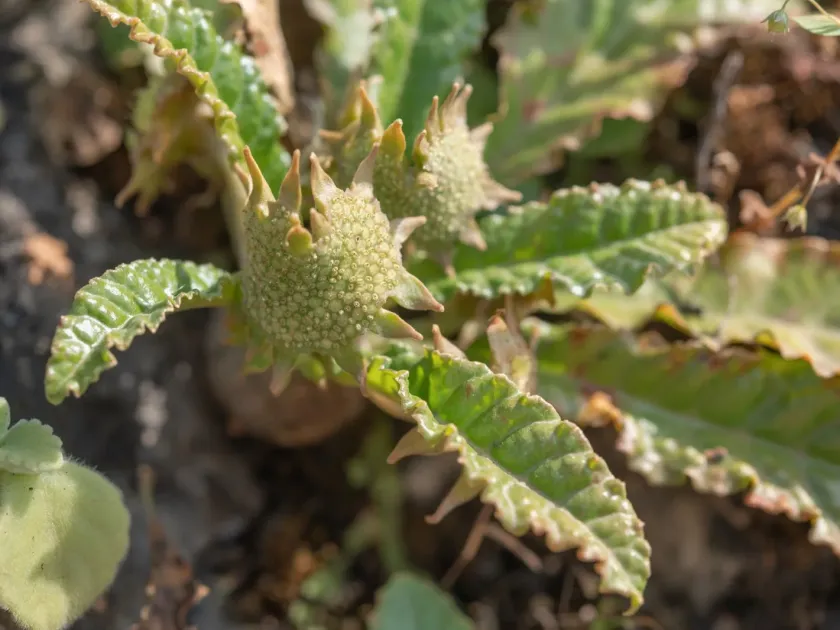
The plant is characterized by its succulent, thickened stem and a rosette of leaves that can fluctuate depending on the season and moisture availability. It is highly valued among collectors for its unusual, alien-like inflorescences that shed seeds explosively into surrounding areas.
Regarding soil requirements, the species demands an exceptionally well-draining substrate. A mix of pumice, perlite, and coarse sand with minimal organic peat content is ideal. This composition prevents the stagnation of water, which is the primary cause of root system failure in this culture.
Optimal growth conditions require bright, indirect sunlight or mild direct sun. Temperatures should be maintained between 20°C and 28°C during the active growing season. During winter, it is crucial to keep the plant in a cooler, dry environment to ensure it enters a proper dormancy phase.
The watering regime is the most critical aspect of the plant's husbandry. It should be watered sparingly, allowing the substrate to dry out completely between sessions. Excessive humidity or stagnant water around the base of the caudex will almost inevitably lead to catastrophic rot.
Main diseases and pests
The most significant threats to Dorstenia foetida are root and stem rots caused by pathogenic fungi such as Fusarium or Phytophthora. These pathogens thrive in waterlogged soil, destroying the internal tissues of the caudex and leading to rapid plant collapse.
Insect pests include common succulent predators like spider mites and mealybugs. These organisms target the growing tips and underside of the leaves, weakening the plant's structural integrity and creating entry points for secondary bacterial infections.
Effective management of these threats involves strictly controlling humidity levels and ensuring proper ventilation. Using fans or placing the plant in a breezy location significantly reduces the risk of fungal proliferation and minimizes the settlement of various pest colonies.
Chemical control should be approached with caution. If pests are detected, systemic insecticides must be applied carefully, ensuring the plant is not in direct, intense sunlight during treatment to avoid chemical leaf burn caused by the product residue.
Good agricultural practice also dictates that any necrotic or decaying tissue should be removed immediately with a sterilized tool. Keeping the cultivation area clean and free of organic debris helps prevent the accumulation of pests and slows down potential disease transmission.