
Dorstenia caulescens
Dorstenia caulescens
Description
Growing requirements
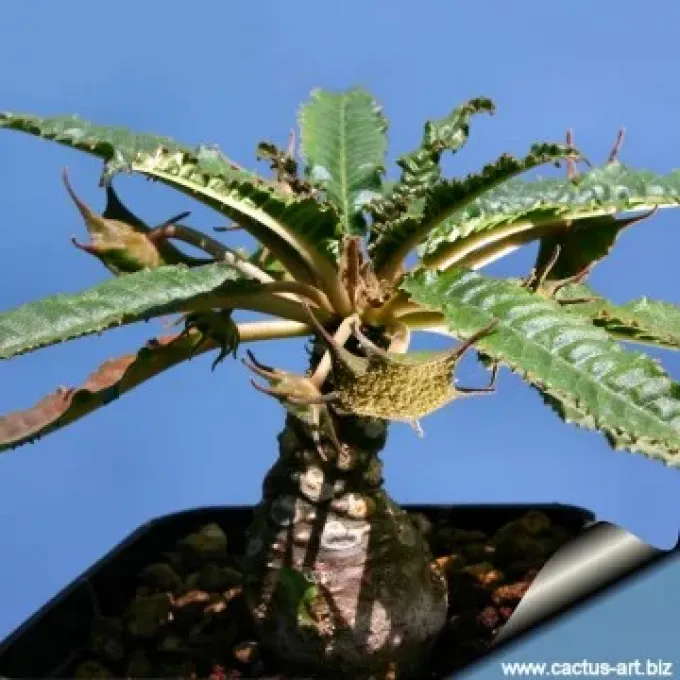
Dorstenia caulescens is a distinct perennial herbaceous plant belonging to the Moraceae family. It is recognized for its unique, erect stem structure and peculiar inflorescences that fascinate botanical collectors and researchers alike.
The species originates from tropical Africa, where it thrives in shaded, humid environments. Understanding its native habitat is crucial for successful cultivation, as it requires specific microclimatic conditions to maintain its structural integrity and physiological health.
When cultivating this crop, soil drainage is of paramount importance. A porous, well-aerated substrate consisting of leaf mold, coarse sand, and pumice is recommended to prevent waterlogging, which the plant cannot tolerate.
Optimal growth temperatures should be maintained between 20°C and 25°C. The species is highly sensitive to abrupt temperature fluctuations and cold drafts, making it essential to place the plants in stable environments protected from thermal shocks.
Light requirements involve bright but indirect sunlight. Direct exposure to intense solar radiation can cause leaf necrosis, while insufficient light may result in etiolation of the stem, reducing the ornamental value and vigor of the specimen.
Main diseases and pests
The most common pests affecting Dorstenia caulescens are spider mites and mealybugs. These organisms thrive in dry environments and can quickly weaken the plant by feeding on its sap, necessitating early detection and intervention.
Root rot and stem fungal infections represent the most significant threats to plant survival. These pathologies are usually triggered by excessive irrigation or lack of proper aeration, leading to the rapid decay of succulent tissues.
Pest management relies on the timely application of systemic insecticides or miticides. It is critical to follow precise application schedules to ensure that all stages of the pest life cycle, including eggs and larvae, are effectively eradicated.
Fungal management is primarily preventive. Maintaining a balance between humidity and soil moisture, along with adequate airflow, significantly reduces the likelihood of colonization by pathogenic fungi such as Phytophthora.
In cases of severe infection, surgical removal of affected tissues followed by treatment with systemic fungicides is necessary. Maintaining a clean cultivation space and monitoring environmental parameters are the cornerstones of successful disease prevention for this species.