
Dorstenia arifolia
Dorstenia arifolia
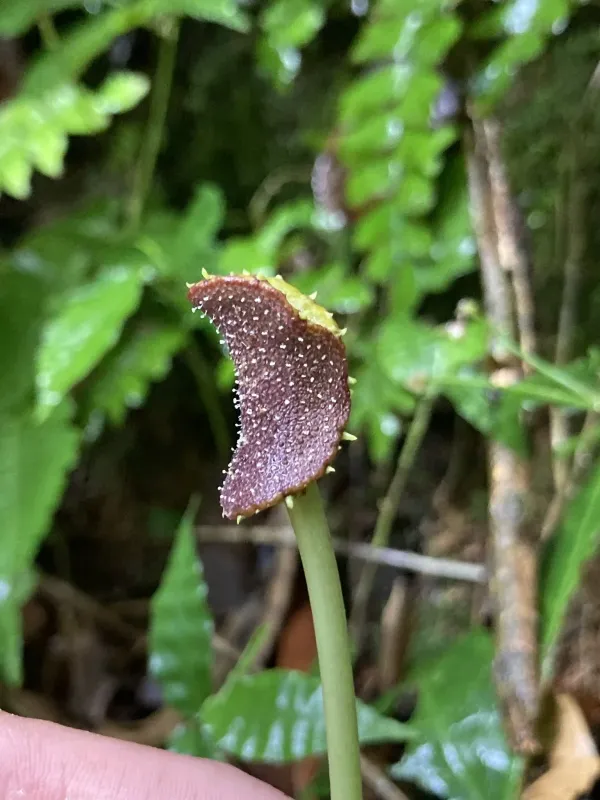
Description
Growing requirements
Dorstenia arifolia is a unique succulent species belonging to the Moraceae family. Native to the tropical rainforests of Brazil, this plant has adapted to shaded understory environments, which dictates its specific needs when cultivated as an ornamental or botanical specimen.
This species thrives best in stable temperatures ranging from 20°C to 26°C. It is highly sensitive to cold drafts and rapid temperature fluctuations, which can trigger physiological stress, causing leaves to drop and weakening the plant's overall defense mechanisms.
The soil substrate must be highly porous and well-draining. A professional-grade mix typically includes peat, coarse sand, perlite, and pine bark to ensure adequate aeration around the root zone, preventing the anaerobic conditions that lead to root rot.
Light requirements for Dorstenia arifolia are moderate. It prefers bright, indirect light, as direct sunlight can damage the leaves. If the light intensity is too low, the plant will become elongated and lose its characteristic compact form.
Watering practices must be disciplined: allow the substrate to dry out partially between waterings. During the dormant season, which often coincides with cooler months, watering should be significantly reduced to prevent moisture-related damage to the tuberous stem.
Main diseases and pests
The primary threat to Dorstenia arifolia is fungal infection resulting from waterlogged soil. Root rot and stem rot are the most common fatal issues, often caused by overwatering or poor drainage in the potting container.
Spider mites are a significant pest concern, particularly in indoor environments with low humidity. They congregate on the undersides of leaves, causing yellowing and weakening of the foliage if left untreated over an extended period.
Mealybugs are another common adversary, as they hide in the crevices of the stem and near the leaf bases, feeding on plant sap. Early detection is crucial to prevent these pests from spreading throughout the entire plant collection.
Integrated pest management suggests using a combination of manual removal, neem oil applications, or systemic insecticides for severe infestations. Keeping the plant environment clean and well-ventilated is the best preventative strategy against these threats.
If fungal issues arise, immediate repotting into fresh, sterile substrate is necessary. Removing affected root portions and applying a fungicide treatment can help salvage the plant if the damage has not progressed to the main stem base.