
Dorstenia contrajerva
Dorstenia contrajerva
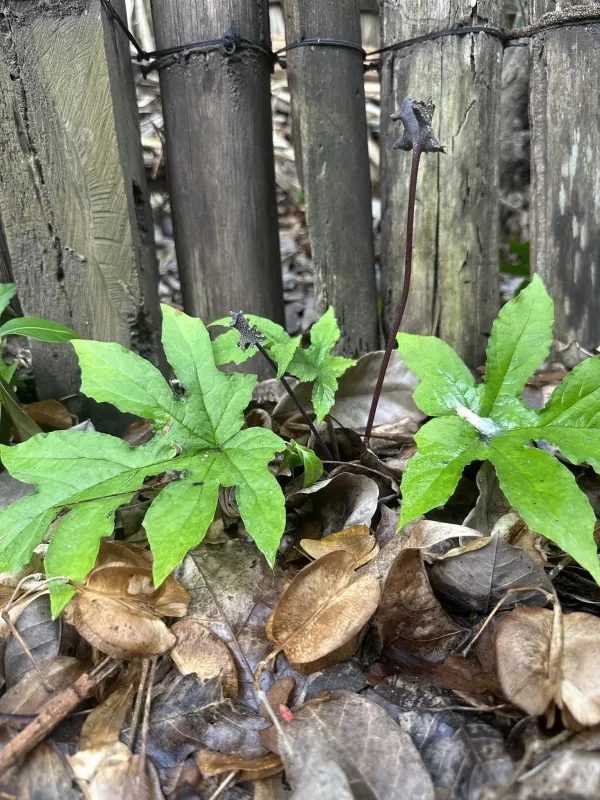
Description
Sowing dates
The sowing of Dorstenia contrajerva is typically conducted using seeds in greenhouse conditions or controlled indoor environments. Due to its tropical origin, the ideal timing for planting is during the spring months when natural light levels increase, providing the necessary energy for seedling development.
Seeds should be sown in a loose, well-draining substrate that is rich in organic matter. They require light to germinate, so they must be placed on the surface of the soil with minimal covering. Maintaining a constant moisture level is critical during the first few weeks of the growth phase.
Temperature regulation is paramount, with the optimal range being between 22 and 26 degrees Celsius. Providing a consistent greenhouse environment with high humidity levels helps ensure a successful germination rate, which usually takes several weeks under stable conditions.
Once the seedlings develop their first true leaves, they are carefully transplanted into individual containers. The root system is quite fragile, so the transplantation process should be handled with extreme care to avoid disrupting the soil ball, which can lead to transplant shock.
Balanced, low-concentration liquid fertilizers can be applied to support early growth. It is essential to ensure adequate air circulation around the young plants to prevent fungal issues, which are common in environments with high humidity and limited air movement.
Growing requirements
Dorstenia contrajerva is a member of the Moraceae family, native to the tropical forests of the Americas. It thrives in conditions of filtered or indirect sunlight, as direct exposure can easily scorch the leaves and hinder the plant's overall photosynthetic capacity.
The soil should be neutral to slightly acidic, loose, and well-aerated. A mixture containing peat, perlite, and organic leaf mold is ideal for providing the necessary nutrient density and drainage capacity required for healthy growth and rhizome development.
The plant demands a stable climate with temperatures ideally between 20 and 28 degrees Celsius. Any significant drops below 15 degrees Celsius can cause the plant to enter a dormant state, which limits its growth and reduces its yield potential for medicinal harvesting.
High relative humidity, typically around 65–75 percent, is essential for maintaining the vigor of the plant. If the air is too dry, the leaves may become brittle and lose their medicinal quality, often leading to a slowdown in the plant's metabolic activity.
Regular maintenance of the substrate is required to ensure that the roots receive sufficient oxygen. This involves gentle soil loosening around the base of the plant to prevent compaction, which is a common issue in intensive greenhouse cultivation of this species.
Main diseases and pests
Spider mites are the most frequent pests affecting Dorstenia contrajerva, especially in drier environments. Early detection and the use of appropriate biological or mild chemical controls are necessary to manage infestations before they spread across the entire planting area.
Root rot is a major threat caused by overwatering or poor drainage systems. It is vital to monitor moisture levels constantly and to use fungicides only as a last resort, as the roots are the primary portion of the plant collected for medicinal purposes.
Poor ventilation can lead to the growth of powdery mildew on the foliage, which reduces the plant's ability to thrive. Improving airflow and maintaining the correct spacing between plants are the best preventative measures for managing this common fungal disease.
Care should be taken when using pesticides to ensure they do not contaminate the rhizomes. Integrated pest management practices are recommended, focusing on maintaining a healthy environment that naturally discourages the growth of pests and common diseases.
Strict hygiene practices, including the removal of dead leaves and organic debris from the soil surface, are essential. This prevents the buildup of spores and larvae that could compromise the health and harvest quality of the crop.
Harvesting
Harvesting Dorstenia contrajerva focuses on the collection of the rhizomes, which contain the therapeutic compounds that make the plant valuable. Harvest typically occurs when the plants are 2 to 3 years old, ensuring maximum development of the root system.
The rhizomes are carefully unearthed, cleaned of all soil particles, and rinsed thoroughly with water. It is important to avoid damaging the outer skin of the roots, as this can affect the quality and shelf-life of the final processed medicinal product.
After cleaning, the rhizomes must be dried in a dark, well-ventilated area. The temperature should not exceed 40 degrees Celsius to avoid the degradation of essential volatile oils and other bioactive substances that are crucial for the plant's medicinal efficacy.
Once dried, the rhizomes are sorted and graded based on their size and overall quality. Proper storage in dry, cool conditions is necessary to maintain the potency of the herb for future distribution to pharmaceutical or herbal medicine manufacturers.
The final product is widely utilized for its diaphoretic and stimulant properties. Due to its unique chemical profile, it remains a sought-after raw material in both traditional and modern pharmaceutical sectors, confirming its importance as a specialized agricultural commodity.