
Dorstenia
Dorstenia
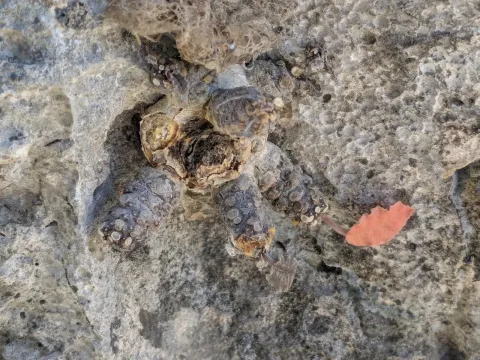
Dorstenia is a fascinating genus of succulent plants belonging to the Moraceae family. Unlike many of its relatives in the fig genus, Dorstenia species are characterized by their strange, disk-shaped inflorescences, which possess high botanical value for research and collection.
What the section contains
 Dorstenia africana
Dorstenia africana
Dorstenia africana
 Dorstenia arifolia
Dorstenia arifolia
Dorstenia arifolia
 Dorstenia bahiensis
Dorstenia bahiensis
Dorstenia bahiensis
 Dorstenia barnimiana
Dorstenia barnimiana
Dorstenia barnimiana
 Dorstenia barteri
Dorstenia barteri
Dorstenia barteri
 Dorstenia caulescens
Dorstenia caulescens
Dorstenia caulescens
 Dorstenia cayapia
Dorstenia cayapia
Dorstenia cayapia
 Dorstenia contrajerva
Dorstenia contrajerva
Dorstenia contrajerva
 Dorstenia cuspidata
Dorstenia djetti
Dorstenia djetti
Dorstenia cuspidata
Dorstenia cuspidata
Dorstenia djetti
Dorstenia djetti
 Dorstenia elata
Dorstenia elata
Dorstenia elata
 Dorstenia foetida
Dorstenia foetida
Dorstenia foetida
 Dorstenia gigas
Dorstenia gigas
Dorstenia gigas
 Dorstenia hildebrandtii
Dorstenia hildebrandtii
Dorstenia hildebrandtii
 Dorstenia indica
Dorstenia kameruniana
Dorstenia kameruniana
Dorstenia indica
Dorstenia indica
Dorstenia kameruniana
Dorstenia kameruniana
 Dorstenia lavrani
Dorstenia lavrani
Dorstenia lavrani
 Dorstenia psilurus
Dorstenia psilurus
Dorstenia psilurus
Dorstenia
The genus originates from tropical regions across Africa and the Arabian Peninsula. These plants naturally inhabit rocky terrains and shaded forest floors, developing unique survival mechanisms to thrive in varying light and moisture conditions.
Agricultural requirements for Dorstenia include a well-draining, porous substrate. A mix consisting of coarse sand, perlite, and organic peat provides the aeration necessary to prevent the root suffocation that often affects this group of plants.
The plants are highly sensitive to thermal fluctuations. Optimal growth is achieved in environments where temperatures stay within the +22 to +28 degrees Celsius range, with no tolerance for frost or severe cold drafts.
Lighting should be bright but filtered. Prolonged exposure to intense, direct tropical sunlight can cause rapid dehydration and scorching of the succulent stems, which are specialized for water storage.
Spider mites are the most persistent pest for Dorstenia when cultivated in indoor or greenhouse environments. These mites thrive in low-humidity conditions, necessitating regular misting or moisture management around the plants.
Root rot remains the most common physiological threat. It is almost exclusively caused by overwatering or the use of heavy, water-retentive soils that do not allow for the rapid drainage required by these succulents.
Mealybugs can infest the leaf axils and the complex structures of the inflorescences. Systematic inspection and the use of insecticidal soaps are standard methods to mitigate these infestations effectively.
Fungal infections can develop if water accumulates on the foliage or stems for long periods. Proper air circulation is essential for maintaining the health of the plant and preventing the spread of mold or mildew.
Effective pest management for this culture involves a strict quarantine of new specimens and regular observation. By maintaining a clean growing environment and monitoring moisture levels, growers can prevent the most destructive threats.