
Dorstenia lavrani
Dorstenia lavrani
Description
Growing requirements
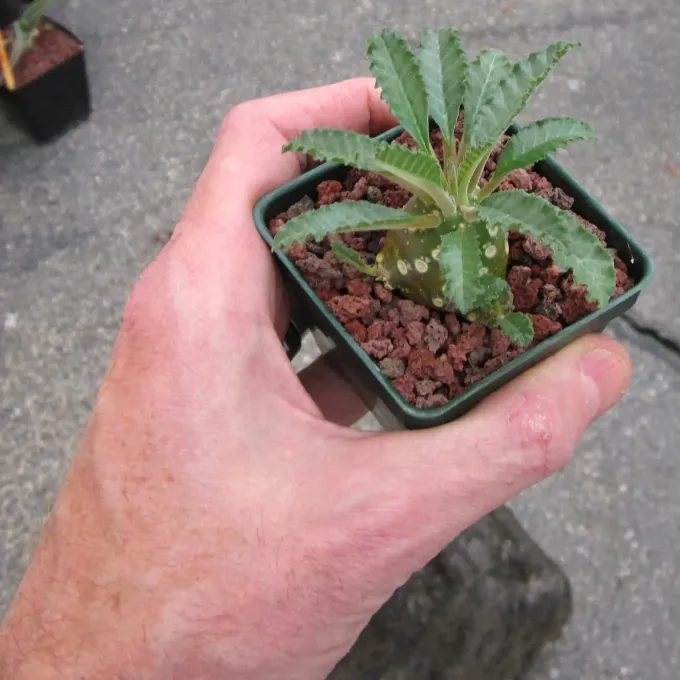
Dorstenia lavrani is a highly prized succulent belonging to the Moraceae family. Native to the arid limestone cliffs of Somalia, this plant has evolved unique survival mechanisms to thrive in extremely dry environments.
The plant is characterized by a prominent caudex that serves as a vital water storage organ. Its leaves are usually elongated and possess a subtle texture, which contributes to the aesthetic appeal of this botanical specimen.
For successful cultivation, Dorstenia lavrani requires bright, filtered light. It is sensitive to intense direct sunlight which can scorch its leaves, so providing a balanced light environment is crucial for steady growth.
A specialized, fast-draining substrate is mandatory for this species. A blend of pumice, lava rock, coarse sand, and a minimal amount of organic matter creates the aeration required to prevent root suffocation.
Temperature management should follow seasonal cycles. During the growing season, maintain temperatures between 20°C and 30°C. In winter, move the plant to a cooler, dry spot with temperatures ranging from 12°C to 16°C to initiate a dormancy period.
Main diseases and pests
Root rot is the most common threat to Dorstenia lavrani, typically caused by overwatering or poor drainage. It is imperative to allow the substrate to dry out completely between watering sessions to avoid damage to the caudex.
Spider mites are frequently encountered pests, especially in environments with very low humidity. These insects feed on the plant's sap and can cause leaf yellowing and structural weakness if left untreated.
Mealybugs are another potential threat, often hiding in the crevices of the stem or leaf axils. Regular inspections will help detect infestations early, allowing for quick intervention with appropriate insecticides.
Good ventilation is key to mitigating fungal and pest issues. Proper airflow prevents stagnant air pockets, which are preferred by many common indoor plant pests and harmful pathogens.
If decay is detected in the caudex, surgical intervention is required. This involves cutting away the affected tissue, applying a fungicide or charcoal powder to the wound, and allowing it to callus before replanting.