
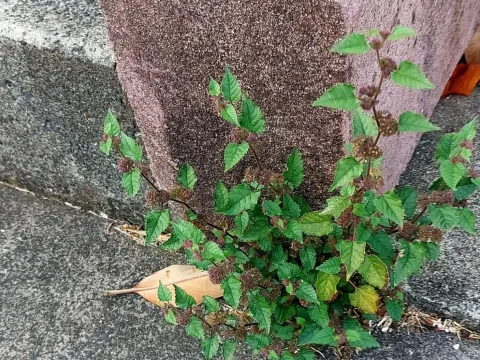
Fatoua
Fatoua
Fatoua, specifically the well-known species Fatoua villosa, is a heat-loving plant. In temperate climates, seeds should be sown indoors in late winter or early spring to ensure the seedlings have sufficient time for vegetative development.
What the section contains
Fatoua
The seeds of the plant show good germination rates, but they require stable temperature conditions around 20–22 degrees Celsius. Surface sowing in a lightweight substrate promotes quick germination as the seeds require access to light.
Transplanting prepared seedlings into open ground is only possible after the threat of late frosts has completely passed. The plant is extremely sensitive to cold, so rushing the planting process can lead to stunted growth or the death of the specimens.
When grown in containers, sowing times can be shifted, as a controlled microclimate allows the crop to be grown almost year-round provided there is adequate lighting.
An important aspect is hardening off the seedlings two weeks before transplanting them to their permanent location, which allows the plant to adapt to direct sunlight and fluctuations in air humidity.
Fatoua belongs to the Moraceae family and naturally grows in humid forests and shaded areas of East Asia. For successful development, the plant requires loose, fertile soil with good drainage to prevent water stagnation near the root system.
The optimal soil pH for this plant is neutral or slightly acidic. A high organic content in the substrate stimulates vigorous growth of the vegetative mass and the development of its characteristic inflorescences.
The crop prefers partial shade or diffused light. Direct sunlight during midday hours can cause burns on the delicate leaves, so one should avoid open areas with intense sunlight exposure when selecting a site.
Regular watering is critical, as the plant does not tolerate prolonged drought well. The soil must remain moderately moist throughout the entire active growing period, especially during the flowering stage.
Air humidity plays a significant role in the development of Fatoua leaves. When grown in dry indoor environments, periodic misting is recommended to maintain leaf turgor and prevent spider mite infestations.
In indoor conditions, Fatoua can be attacked by typical pests of the Moraceae family, such as spider mites, which reproduce actively in low humidity environments.
Aphids are also frequent visitors to young shoots, sucking the cell sap and weakening the plant's immunity. Regularly inspecting the undersides of leaves allows for early detection of pests and timely intervention.
Fungal diseases, such as root rot, arise primarily from over-saturation of the substrate and lack of aeration. Adhering to a strict watering schedule is the primary method of preventing these pathologies.
Leaf spot caused by fungi can develop if ventilation is poor. For control, it is recommended to remove the affected parts and apply broad-spectrum fungicides.
Preventative measures against diseases include maintaining the cleanliness of gardening tools, ensuring a flow of fresh air, and monitoring planting density, which prevents the creation of moisture-stagnant zones.