
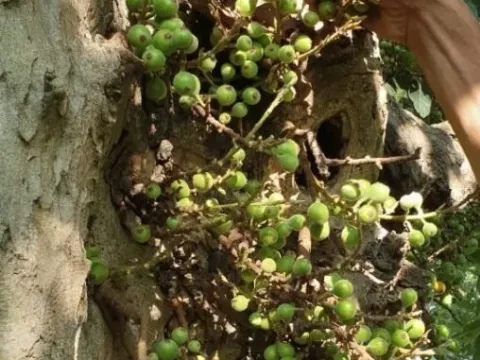
Cluster fig
Ficus glomerata
The Cluster fig (Ficus glomerata) is a deciduous tree belonging to the Moraceae family. Known for its rapid growth and large canopy, it is a prominent species in tropical forest ecosystems, often reaching significant heights in its native environment.
What the section contains
Cluster fig
The tree is indigenous to tropical Asia, including India and Southeast Asia, as well as parts of Australia. It thrives in humid, fertile soils and is frequently found growing along stream banks and in riverine forests where moisture is abundant throughout the year.
Agronomically, this crop requires a warm tropical climate without frost exposure. It is highly sensitive to cold, which restricts its commercial cultivation to frost-free regions with consistent rainfall patterns throughout the vegetative stage.
The botanical feature of cauliflory, where fruit develops directly on the main trunk and branches, makes the Cluster fig unique. The fruits are succulent syconia, rich in various nutrients, which are consumed locally and play a role in traditional food security.
Beyond human consumption, the tree is highly valued for its ecological role and medicinal properties. Various parts of the tree, including the bark and roots, are utilized in traditional healing practices, reflecting the multipurpose utility of this agricultural species.
Common pests affecting Ficus glomerata include aphids, mealybugs, and scale insects that feed on the sap of young stems. Heavy infestations can lead to stunted growth and reduced fruit yield if left unmanaged by agricultural teams.
Fungal diseases, particularly root rot and leaf spot, are prevalent in areas with poor drainage or stagnant water conditions. Preventive measures include ensuring optimal soil aeration and performing regular pruning to maintain crown health.
Chemical control must be balanced with sustainable practices. Integrated Pest Management (IPM) strategies are recommended to maintain the ecological integrity of the planting area while minimizing the impact of harmful insects.
Wildlife management is an essential component of Cluster fig production, as birds and bats are naturally attracted to the ripening fruit. The use of netting is common practice in commercial orchards to prevent significant yield losses during the harvest season.
Maintenance of soil health through balanced organic fertilization and mulching helps the trees withstand stress and resist infections. Proactive monitoring of canopy density is vital to prevent the spread of localized disease outbreaks within the plantation.