
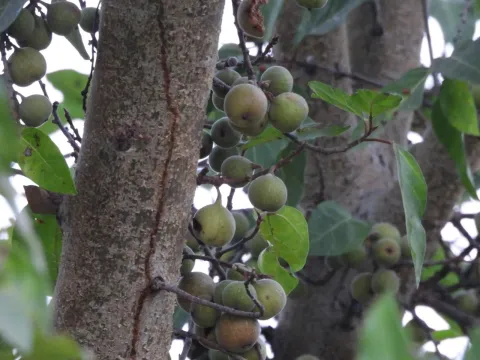
Cluster fig
Ficus racemosa
Propagation of Ficus racemosa in commercial agriculture is primarily achieved through cuttings, as this method ensures the genetic consistency of the harvested fruits.
What the section contains
Cluster fig
Cuttings should be taken during the active growing season, ideally when environmental temperatures remain consistently above 22-25 degrees Celsius to stimulate rooting.
The planting substrate must be well-drained and nutrient-rich, providing a stable foundation for the development of the root system during the sensitive establishment phase.
It typically takes several weeks for successful rooting, during which greenhouse environments with high humidity and filtered light are recommended to prevent dehydration.
Young plants should undergo a gradual hardening-off process before being moved to permanent outdoor locations to ensure resilience against natural environmental factors.
The Cluster fig belongs to the Moraceae family and thrives in tropical regions, requiring constant warmth and protection from frost to maintain optimal metabolic activity.
This species prefers deep, fertile alluvial soils that can retain sufficient moisture while allowing excess water to drain away, preventing root system asphyxiation.
Adequate sunlight is crucial for fruit development, although the tree can adapt to slight shading, which is often beneficial during the initial growth stages of the plant.
Regular irrigation is vital, especially during the fruit-set and maturation phases, to ensure the production of high-quality syconia and sustained tree vigor.
Pruning is an essential agricultural practice for this crop, as it controls tree height for easier harvesting and improves airflow, which reduces the incidence of diseases.
The Cluster fig is economically valued for its syconia, which grow in dense clusters on the trunk and primary branches, a characteristic known as cauliflory.
These fruits are highly nutritious and serve as a staple food in many parts of South and Southeast Asia, used both in fresh consumption and traditional culinary preparations.
The yield potential of a mature Cluster fig tree is significant, provided that nutritional needs are met through regular fertilization and proper soil management.
Beyond the fruit, various parts of the tree, including the bark and latex, have long been utilized in traditional medicine for their therapeutic properties.
Commercial plantations focus on maximizing fruit quality for various sectors, including processing industries for jams, preserves, and health supplements.
Common pests affecting Ficus racemosa include scales, mealybugs, and aphids, which feed on the sap and can significantly reduce the vitality of the plant if left unchecked.
Fungal pathogens such as leaf spot and anthracnose are frequently observed, particularly in climates characterized by high humidity and poor ventilation within the orchard.
Integrated pest management strategies, including the use of targeted insecticides and biological controls, are essential for maintaining the health of the fig trees.
Root rot, often associated with waterlogged soil conditions, represents a critical threat that can lead to the systemic failure and death of the plantation.
- Regular monitoring of tree canopy for pest infestations.
- Sanitation of the orchard area to remove infected plant material.
- Application of preventative fungicides during wet, humid weather.
Harvesting of Cluster figs is labor-intensive and performed manually to protect the delicate texture of the syconia from damage during the process.
Maturity is visually indicated by a change in fruit color, typically shifting towards a red or dark hue, which signifies the peak period for gathering the produce.
It is recommended to harvest early in the morning to minimize the internal heat of the fruit, thereby extending its shelf life after it is picked from the tree.
Care must be taken to avoid damaging the tree during the harvest, as physical injuries to the bark can invite pests and secondary infections.
Post-harvest handling involves careful sorting and immediate cool-chain storage to ensure that the produce reaches the consumer in optimal condition.