
Ficus abutilifolia
Ficus abutilifolia
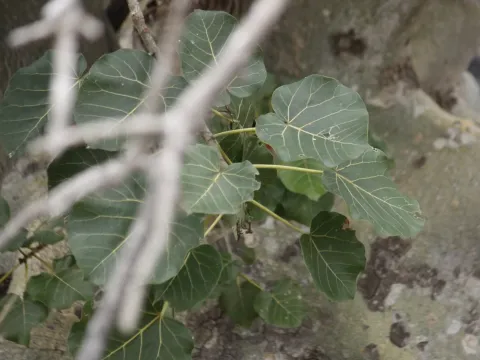
Ficus abutilifolia, commonly known as the large-leaved rock fig, is a robust species within the Moraceae family. It is a succulent-like tree native to the rocky landscapes and savannas of tropical Africa.
What the section contains
Ficus abutilifolia
The plant is biologically distinguished by its broad, heart-shaped leaves and a thick, peeling bark that often appears yellowish or white, providing excellent protection against high solar radiation.
Agronomically, this species thrives in well-draining, stony, or sandy substrates. It is exceptionally adapted to arid conditions and is considered highly resilient to moisture stress compared to other tropical fig varieties.
Temperature requirements for this culture are centered around warm tropical climates. While it prefers consistent warmth, it displays remarkable tolerance for temperature fluctuations typical of rocky outcrops.
In terms of light, the culture demands high irradiance. It is ideally suited for sunny exposures, where its foliage can fully develop its characteristic structure and density.
Ficus abutilifolia is susceptible to common greenhouse pests, primarily spider mites and scale insects, which thrive in dry environments and can cause significant leaf drop.
Fungal pathogens represent the most significant threat to the root system. Overwatering or poor soil aeration quickly leads to root rot, which is often fatal if not diagnosed early.
Good agricultural practice requires maintaining a sterile environment for young saplings and ensuring that the irrigation frequency matches the plant's actual water absorption rate.
Deficiency diseases, including yellowing leaves, are often linked to improper pH levels in the growing medium, which prevents the effective uptake of iron and magnesium.
Regular sanitation measures, including the removal of dead leaves and the use of preventative fungicides, are essential to minimize the impact of pathogenic fungi in a commercial or garden setting.