
Dorstenia barteri
Dorstenia barteri
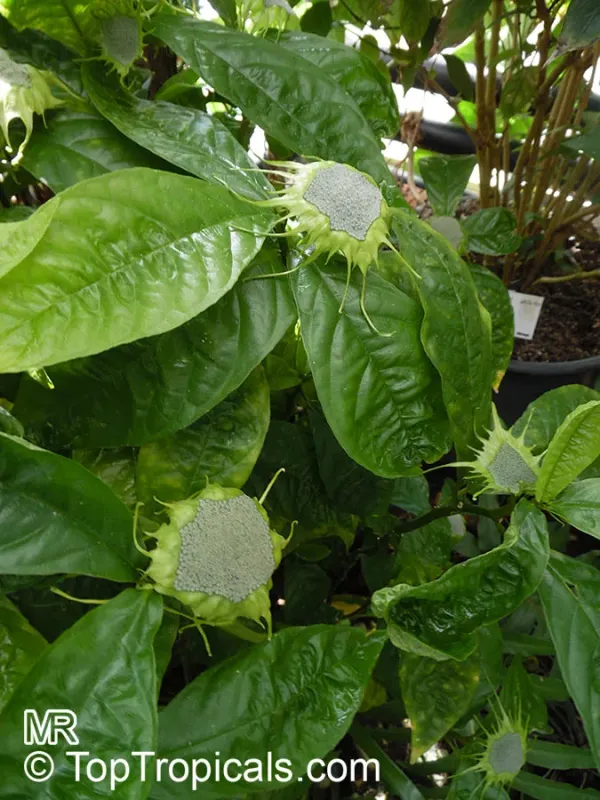
Description
Growing requirements
Dorstenia barteri is a unique plant belonging to the Moraceae family, native to the tropical regions of West Africa. It is characterized by its distinctive structure and specific environmental needs typical of rainforest understory flora.
The culture requires a consistent ambient temperature, ideally between 22 and 28 degrees Celsius, to maintain healthy metabolic rates. It must be protected from cold drafts and sudden temperature fluctuations throughout the year.
Regarding light, the plant performs best in bright, indirect light. Direct exposure to the midday sun can easily scorch its leaves, necessitating the use of light curtains or placement in east-facing areas.
The soil should be well-draining, nutrient-rich, and slightly acidic. A mix consisting of peat moss, perlite, and bark is often recommended to mimic the airy soil composition of its natural forest habitat.
Watering frequency should be adjusted according to the season. During the peak growing season, keep the soil consistently moist but never waterlogged. During dormant months, reduce watering significantly to prevent rot.
Main diseases and pests
Common pests affecting Dorstenia barteri include spider mites, mealybugs, and scale insects. These organisms often exploit the plant's foliage when ambient humidity levels drop below the threshold.
Root rot is the most significant disease threat, usually triggered by poor drainage or overwatering. Once the root system is compromised, the plant shows rapid yellowing and structural decay.
Integrated pest management, including regular inspection and the use of insecticidal soaps, is essential. Keeping the foliage clean helps improve gas exchange and reduces pest nesting sites.
For fungal issues related to overwatering, the substrate must be replaced with fresh, sterile soil. Trimming affected roots is a critical step in rescuing a plant suffering from systemic decay.
Maintaining proper airflow around the plant helps prevent the development of powdery mildew and other airborne fungal diseases that thrive in stagnant, humid environments.