
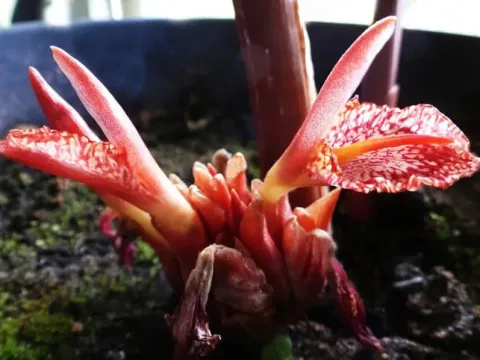
Red ginger
Zingiber rubens
Red ginger is cultivated through vegetative propagation, using rhizome divisions that contain at least two or three healthy buds. The planting process begins once the soil temperature is consistently above 20 degrees Celsius to promote rapid root development.
What the section contains
Red ginger
Rhizomes should be planted in well-prepared, loose soil at a depth of 5 to 10 centimeters. Maintaining a spacing of 30–40 centimeters between plants is essential to ensure adequate airflow and nutrient access for each individual specimen.
In tropical climates, planting usually coincides with the beginning of the rainy season to utilize natural moisture. When growing in greenhouses, timing can be flexible, provided that the necessary heat and humidity requirements are met throughout the year.
Pre-treatment of rhizome segments with organic or chemical fungicides is highly recommended to prevent soil-borne pathogens from attacking the plant during the initial stages of sprouting. Only firm and undamaged rhizomes should be selected for planting.
After planting, shoots typically emerge within a few weeks, signaling the start of the vegetative phase. Proper management of the planting site, including mulch application, helps retain moisture and suppress competitive weed growth during the early stages.
As a member of the Zingiberaceae family, red ginger is a tropical plant that thrives in high-humidity environments, ideally between 70 and 85 percent relative humidity. It is sensitive to rapid changes in environmental conditions.
Temperature is a critical factor, with the plant performing best in the range of 22 to 30 degrees Celsius. Temperatures dropping below 15 degrees Celsius can cause dormancy or severely stunt the plant's growth and metabolic processes.
The soil must be fertile, loose, and possess excellent drainage characteristics to prevent waterlogging. Clay-heavy soils should be amended with organic matter or sand to ensure that the rhizomes do not rot due to excessive moisture retention.
Red ginger prefers partial shade or dappled light conditions. Intense, direct sunlight can scorch the leaves and overheat the rhizome zone, so incorporating the plant into agroforestry systems or using shading nets in field conditions is a common practice.
Regular fertilization with potassium-rich fertilizers is required during the peak growing season to promote healthy rhizome enlargement. Balanced moisture levels must be maintained, avoiding both prolonged drought and excessive water accumulation.
The yield potential of red ginger depends heavily on the quality of soil management and the consistency of the irrigation schedule. The crop typically reaches maturity within 8 to 10 months after the initial planting date.
With optimized agricultural practices, producers can expect consistent returns. Regular weeding and maintaining soil structure are essential steps to ensure that energy is diverted toward the growth of the primary and secondary rhizomes.
Greenhouse cultivation allows for higher output density and better control over the final quality of the rhizomes. While this method requires significant infrastructure investment, it offers superior protection against unpredictable weather events.
Marketable quality is assessed based on the size, density, and absence of external blemishes on the rhizomes. High-quality red ginger is highly sought after for its essential oil content and its application in culinary and medicinal products.
Efficient harvesting and post-harvest handling significantly impact the overall profitability of the crop. Proper drying and cleaning processes immediately after harvest help maintain the product's integrity during storage and transport.
Fungal diseases, specifically Fusarium wilt and root rot (Pythium), are the most significant threats to red ginger production. These are predominantly caused by excessive soil moisture and inadequate drainage in the planting area.
Bacterial wilt can spread rapidly in dense populations and is difficult to treat once the symptoms manifest. Strict sanitation of tools and the use of healthy, certified planting material are the most effective preventative measures.
Nematodes are a persistent pest that damages the root system, hindering the plant's ability to absorb nutrients. Integrated pest management, involving crop rotation and biological controls, is vital for maintaining long-term plantation health.
Common indoor pests, such as spider mites and scale insects, may affect plants grown in greenhouses. Regular inspection and the application of mild, organic-compliant insecticides can keep pest populations below the economic injury level.
Effective crop rotation is mandatory to prevent the build-up of pathogens in the soil. Planting red ginger in the same area for multiple years without a break is generally discouraged to maintain the sustainability of the production site.
Harvesting takes place once the foliage turns yellow and begins to wither, indicating that the rhizome has completed its nutrient accumulation phase. Timing this harvest accurately is essential for maximizing the yield and the quality of the essential oils.
Carefully digging up the rhizomes with forks or specialized machinery minimizes damage to the delicate outer skin. Once harvested, the rhizomes must be cleaned of residual soil and prepared for immediate usage or market distribution.
Post-harvest curing is performed by leaving the rhizomes in a dry, shaded, and well-ventilated area for several days. This process helps seal minor surface injuries, significantly reducing the risk of fungal decay during longer storage periods.
Proper storage conditions involve a cool, humid environment where the rhizomes can remain fresh for several months. Red ginger is a versatile commodity with diverse uses ranging from spice production to pharmaceutical applications.
Quality control during the harvest process ensures that only mature and healthy rhizomes reach the market. Adherence to these practices helps maintain the reputation of the crop and ensures its continued value for diverse industrial applications.