
Curcuma mangga
Curcuma mangga
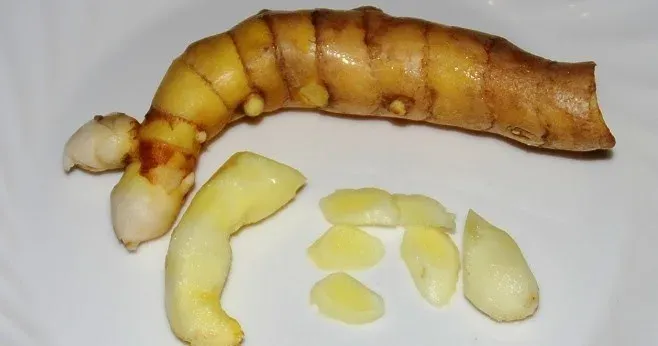
Description
Sowing dates
Planting Curcuma mangga is typically done through the vegetative propagation of healthy rhizome segments. The ideal time for planting is just before the onset of the rainy season, allowing the plants to establish before the peak moisture period.
In seasonal climates, the rhizomes should be planted once the soil has warmed up and the risk of frost has completely passed. The planting depth is generally around 5 to 10 centimeters to ensure adequate warmth and aeration.
Spacings should be maintained at 30 to 40 centimeters between plants to ensure that each specimen has sufficient room for root development. Adequate spacing is essential to reduce humidity trapped within the foliage, which helps prevent disease.
For higher success rates, some growers prefer to pre-sprout rhizome fragments in a warm, humid environment before placing them in the final planting beds. Always select plump, firm, and disease-free rhizomes for propagation.
The time from planting to emergence varies depending on soil temperature and humidity levels, typically taking between two to four weeks. During this early phase, keep the soil consistently moist but never waterlogged.
Growing requirements
Curcuma mangga, a member of the Zingiberaceae family, is a strictly tropical plant that thrives in high temperatures. It prefers a consistent thermal environment ranging between 25 and 30 degrees Celsius for optimal growth.
The crop requires fertile, well-draining soils rich in organic matter. Sandy loam soils are often considered ideal as they prevent water stagnation, which is the primary cause of rhizome decay in this species.
While the plant benefits from bright, diffused sunlight, it should be protected from intense mid-day heat which can scorch the leaves. Partial shade is often beneficial in regions with extremely strong solar radiation.
High relative humidity is a crucial factor for the success of this crop. In drier climates, supplemental irrigation via misting or drip systems is necessary to maintain the plant's health and vigor during the growing season.
Soil pH levels between 6.0 and 7.0 are generally optimal for nutrient absorption. Incorporating compost or well-rotted manure during land preparation will significantly improve the texture and fertility of the planting site.
Yield
The yield of Curcuma mangga depends largely on soil health and the amount of organic nutrition provided during the vegetative stage. In ideal tropical conditions, farmers can expect a consistent output of high-quality rhizomes.
The growing cycle usually lasts for about 8 to 9 months until the plant matures. During this period, the concentration of aromatic oils in the rhizome increases, which defines the value of the final harvest.
Balanced fertilization is vital, with a focus on potassium as the plant reaches the middle of its cycle to support tuber growth. Excessive nitrogen application should be avoided as it prioritizes leaf growth over tuber quality.
Keeping the plantation free of competing weeds is essential for maximizing yield. Implementing mulching techniques can suppress weeds while simultaneously keeping the soil moist and cool for the sensitive roots.
Post-harvest handling is critical for maintaining the product's market value. Ensuring the rhizomes are handled gently prevents bruising, which significantly extends their shelf life and quality.
Main diseases and pests
The most significant threats to Curcuma mangga are fungal pathogens, particularly Fusarium and Pythium species. These organisms thrive in waterlogged conditions, making proper soil drainage the most important defense strategy.
Leaf spot diseases can also occur, especially in humid conditions with poor airflow. Maintaining wide plant spacing and ensuring good ventilation are key preventative measures against most fungal issues.
Root-knot nematodes pose a major risk to the tubers, potentially destroying the quality of the product. Crop rotation and the use of soil amendments that suppress nematode populations are recommended for long-term health.
Pests like aphids and spider mites can attack the foliage during dry spells. Regular scouting of the plants allows for early detection and targeted treatments, minimizing the need for heavy chemical intervention.
Slugs and snails are often problematic for young sprouts early in the season. Utilizing physical barriers such as wood ash or crushed eggshells can help protect the young plants until they become robust.
Harvesting
Harvesting should only begin once the leaves and stems start to turn yellow and wither. This natural decline indicates that the plant has ceased active growth and transferred its energy reserves back into the rhizome.
Carefully dig up the rhizomes using garden forks or similar hand tools to avoid piercing or cutting them. Mechanical damage provides entry points for pathogens, leading to quick deterioration during storage.
After excavation, remove excess soil and clean the rhizomes gently. Avoid using high-pressure water which can force moisture into the plant tissue, as this may encourage decay if not dried perfectly.
The curing process, which involves drying the rhizomes in a shaded, well-ventilated area, is essential for preserving the characteristic "mango" scent. Ensure the tubers are not exposed to direct, harsh sunlight.
Properly dried rhizomes can be stored in cool, dry conditions for several months. Regularly inspect the stored crop to remove any tubers showing signs of rot, preventing the spread of mold within the storage containers.