
Globba panicoides
Globba panicoides
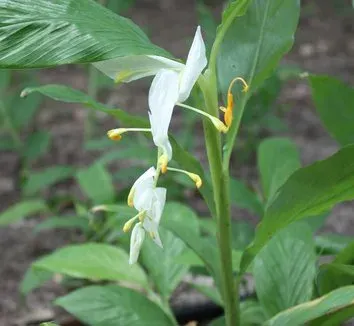
Description
Growing requirements
Globba panicoides is a striking member of the Zingiberaceae family, known for its elegant, arching stems and delicate, colorful floral bracts. Native to the humid rainforests of Southeast Asia, it thrives in warm and sheltered environments.
Cultivation of this species requires bright, indirect light, as direct sun exposure can scorch the foliage. The plant prefers temperatures ranging from 20 to 28 degrees Celsius and requires high humidity levels to mimic its natural tropical habitat.
The ideal soil medium is a light, well-draining mix rich in organic matter, such as peat or coco coir combined with perlite. This structure ensures that moisture is retained without causing the rhizomes to become waterlogged, which is vital for long-term survival.
Watering practices should be consistent, ensuring the soil remains moist but never saturated. During the active growing season, liquid fertilization may be applied to support the development of its ornamental inflorescences.
In terms of usage, Globba panicoides is primarily valued as an ornamental crop in tropical landscapes and as a high-end specialty plant for greenhouse production. Its unique aesthetic appeal makes it a popular choice for collectors of exotic flora.
Main diseases and pests
The primary pathological threats to this crop involve fungal pathogens, particularly those causing root and rhizome rot due to waterlogged conditions. Maintaining proper drainage and avoiding water stagnation is essential for plant health.
Pests such as spider mites, aphids, and mealybugs can infest the plant, especially in low-humidity indoor environments. Effective management strategies include maintaining high ambient humidity and employing targeted insecticidal treatments when necessary.