
Globba leucantha
Globba leucantha
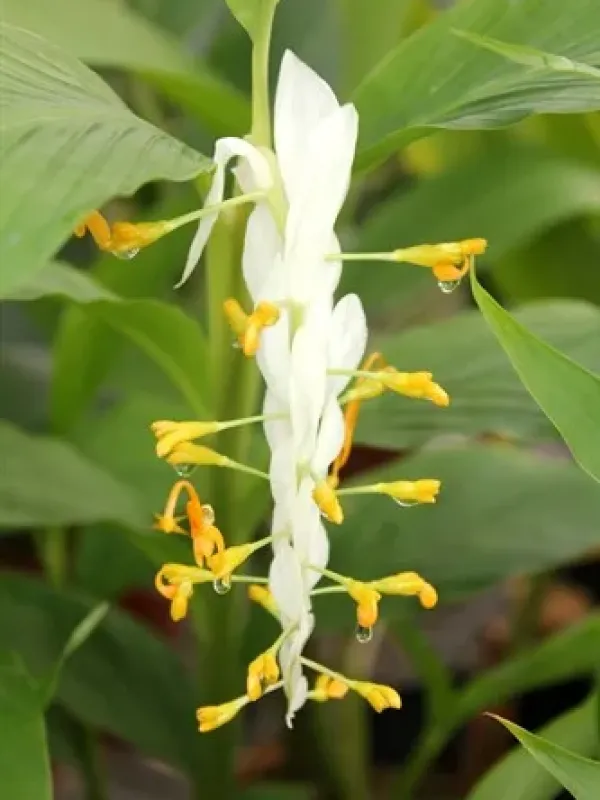
Description
Sowing dates
Propagating Globba leucantha via seeds requires a warm, humid environment with stable temperatures between 22 and 25 degrees Celsius. The seeds should be sown in a sterile, well-draining substrate to prevent dampening off during the germination phase.
The use of heating mats is highly recommended to maintain consistent soil warmth, as this significantly improves germination rates. Seeds are typically slow to sprout, so patience is required during this initial stage of cultivation.
Division of the rhizome is the most efficient and common method for commercial propagation. This process should be undertaken during the plant’s dormant phase to minimize stress and ensure successful establishment of the new divisions.
When planting the rhizomes, ensure that the growth buds are positioned just below the surface of the soil. This prevents rot while allowing the new shoots to emerge quickly as the temperature rises in the spring.
Young plants should be kept in a protected area with high indirect light until the root system has fully developed. Once established, they can be transplanted into larger pots or prepared beds for the growing season.
Growing requirements
As a member of the Zingiberaceae family, Globba leucantha thrives in tropical conditions. It requires high ambient humidity, consistent warmth, and protection from direct sunlight, which can scorch the delicate foliage.
The ideal soil is rich in organic matter, such as leaf mold or compost, and must be well-aerated to avoid compaction. Proper drainage is essential to protect the fleshy rhizomes from rot, especially during periods of heavy rainfall or overwatering.
Feeding the plants with a balanced, liquid fertilizer during the active growing season will support robust leaf development and promote flowering. However, nitrogen levels should be managed to avoid excessive vegetative growth at the expense of blooms.
These plants prefer bright, filtered light. In garden settings, they work best under the canopy of trees or in shaded greenhouse structures that provide natural protection from harsh midday heat.
Watering should be frequent enough to keep the soil consistently moist but never waterlogged. During winter, when the plant enters dormancy, watering should be significantly reduced as the foliage begins to die back.
Main diseases and pests
Fungal infections, particularly root rot, are the primary concern for this species. To mitigate this risk, ensure the potting medium is aerated and never leave the plants sitting in standing water after irrigation.
Spider mites and mealybugs are the most common pests, often attracted by dry indoor air. Frequent inspection of the undersides of leaves and maintaining high relative humidity are effective preventative measures.
If an infestation occurs, horticultural soaps or targeted insecticides can be used. It is vital to treat the plants in the early stages of an outbreak to prevent the spread of insects across the entire collection.
Poor ventilation can lead to Botrytis or other fungal diseases on the foliage. Maintaining adequate air circulation around the plants is essential for drying the leaves after watering and preventing pathogen buildup.
Regular sanitation, such as removing dead or dying leaves, helps keep the plant healthy and prevents the accumulation of debris that can harbor pests and diseases, ensuring the plant remains an attractive focal point.