
Zingiber striolatum
Zingiber striolatum
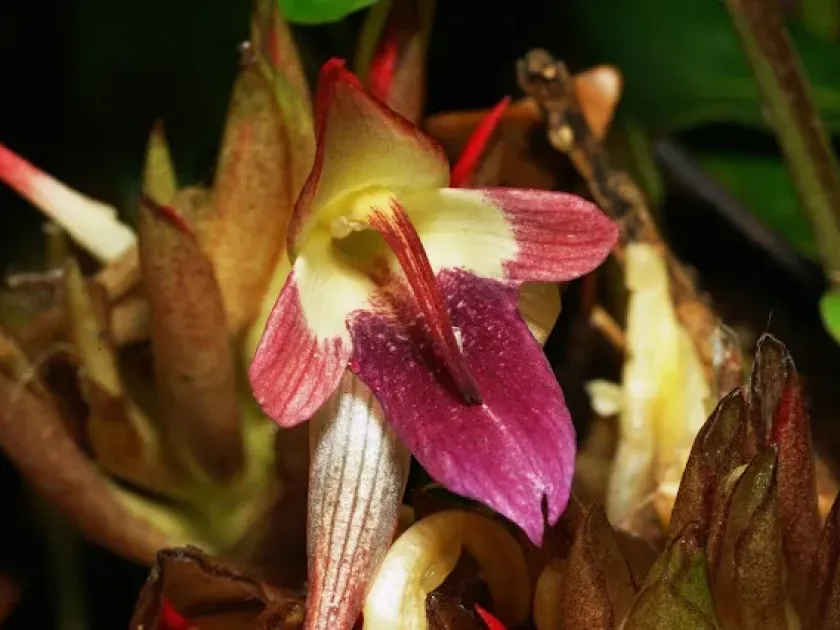
Description
Growing requirements
Zingiber striolatum is a distinct perennial species within the Zingiberaceae family. Known for its specific botanical characteristics, this crop is valued for its rhizomes, which are utilized in both traditional medicine and as botanical specimens. It thrives in tropical climates characterized by high humidity and consistent warmth.
The plant originates from the forest understories of East Asia. To ensure successful commercial cultivation, it is essential to replicate its natural environment by providing filtered light conditions. Excessive direct sunlight can lead to leaf scorch and reduced metabolic efficiency of the plant.
Soil requirements for Zingiber striolatum are quite specific: the substrate must be fertile, loose, and well-drained. Sandy loams enriched with organic matter are considered ideal for preventing rhizome rot. Proper soil structure is critical for facilitating the expansion of the underground mass during the growing season.
Temperature management is a cornerstone of this crop's agronomy. The optimal development occurs between 22°C and 28°C. If temperatures drop, the plant enters a period of dormancy, and severe cold can damage the rhizome tissues, leading to total crop loss if frost occurs.
Agronomic maintenance requires consistent moisture levels. Drip irrigation systems are highly recommended as they ensure direct water delivery to the root zone while preventing the foliage from becoming overly wet, which can encourage fungal development. Regular fertilization with balanced NPK formulations is essential for optimal yields.
Main diseases and pests
The crop is susceptible to various fungal pathogens, with Fusarium wilt being a major concern in commercial operations. This pathogen attacks the vascular system of the rhizomes, leading to yellowing of leaves and eventual death of the plant if not managed promptly through fungicide application or crop rotation.
Root-knot nematodes represent another significant threat, as they cause physical damage to the rhizomes and create entry points for secondary infections. Implementing strict phytosanitary measures and using sterilized soil media in greenhouse settings are the most effective strategies for long-term pest control.