
Hybrid ginger
Zingiber hybrids
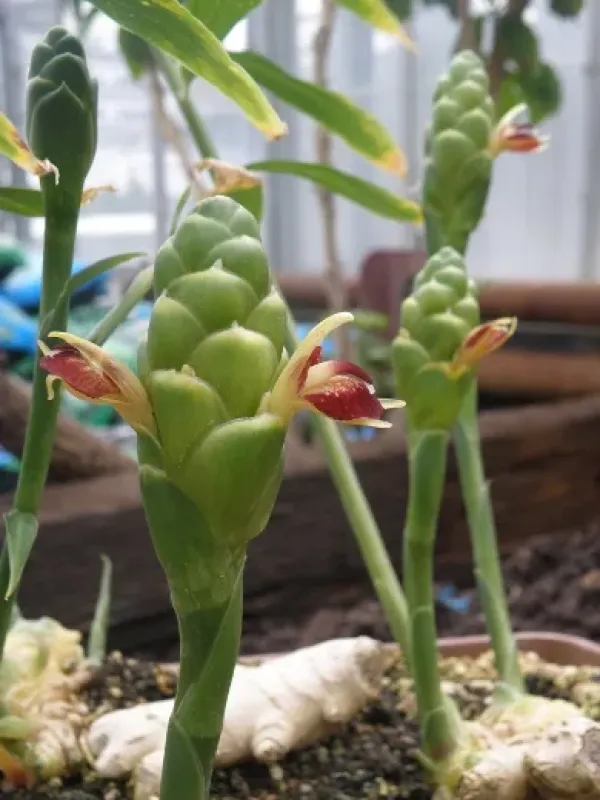
Description
Sowing dates
Cultivation of hybrid ginger begins with the vegetative propagation method, using healthy rhizome sections that contain well-developed buds. The ideal planting time is when the soil temperature at a 10 cm depth reaches approximately +18°C to +20°C.
In greenhouse settings, planting schedules can be adjusted depending on artificial lighting and heating systems, though it is essential to monitor the crop's sensitivity to temperature fluctuations during the initial sprouting phase.
Before planting, rhizome pieces are often warmed in a controlled environment to stimulate bud activity, which ensures a more uniform emergence of shoots and maximizes the potential growing season.
Optimal spacing typically requires 25 to 35 cm between plants, with rows kept 60 cm apart. This configuration allows sufficient space for the root system to expand and for the foliage to develop without shading neighboring plants.
Planting depth should be between 5 and 8 cm. Proper drainage within the furrow is critical, as stagnant water can lead to rhizome decay before the plant has a chance to establish a root system.
Growing requirements
Hybrid ginger, belonging to the Zingiberaceae family, thrives in tropical climates, requiring consistent temperatures ranging between +25°C and +30°C for optimal development of its rhizomatous structure.
The crop prefers loose, well-draining soils rich in organic matter, such as loams or sandy loams, with a pH level ranging from 6.0 to 6.5. Soil aeration is essential to support the expansion of the underground mass.
While ginger loves heat, it requires shade during the hottest parts of the day. Exposure to direct, harsh sunlight can scorch the leaves and stunt the development of the rhizome, reducing both yield and quality.
Consistent moisture is key during the active vegetative stage. The soil must remain damp, but not waterlogged, as poor oxygenation in the root zone can trigger fungal pathogens that rot the developing ginger.
Regular fertilization with high-potassium blends is recommended during the growth phase to ensure that rhizomes become dense, aromatic, and store well after harvest, providing a higher market value.
Yield
The yield potential of hybrid ginger is highly dependent on the total length of the growing season, which usually spans 8 to 10 months. Efficient agricultural management can lead to significant biomass production.
Under favorable conditions, yields typically range from 15 to 25 metric tons per hectare. Success is largely influenced by soil preparation, timely nutrient application, and the prevention of soil compaction during the growth cycle.
For commercial growers, intensive nutrient management in the latter half of the season helps to increase the final size and weight of the rhizomes. Ensuring wide spacing helps avoid competition between plants for nutrients.
The timing of harvest significantly affects the end product; harvesting earlier yields tender, younger ginger, while late-season harvesting yields mature, robust ginger preferred for spice processing and extraction.
Mechanical harvesting tools are increasingly used to increase efficiency; however, care must be taken to minimize skin damage, as integrity of the skin is the most important factor in preventing post-harvest spoilage.
Main diseases and pests
Fungal diseases, such as Pythium rot (soft rot) and Fusarium wilt, pose the greatest threat to ginger plantations, particularly in areas with poor drainage or excessive humidity during the peak growth season.
Root-knot nematodes are common pests that damage the underground system, causing overall plant stress and stunted growth. Integrated pest management, including crop rotation and soil solarization, is essential for control.
Aphids and spider mites are frequent foliage pests that drain the plant's resources. If left unmanaged, heavy infestations can significantly reduce the photosynthetic capacity of the plant and lead to lower rhizome yields.
Bacterial wilt is another highly destructive disease. Currently, there are limited curative measures, so the focus must remain on planting certified disease-free material and maintaining strict farm hygiene.
- Strict adherence to a 3–4 year crop rotation cycle.
- Use of disease-resistant hybrid varieties.
- Frequent scouting and removal of infected plants to prevent spread.
Harvesting
The harvest usually occurs 8 to 9 months after planting, marked by the yellowing and wilting of the aerial foliage, which indicates that the plant has ceased leaf growth and the rhizomes have matured.
Harvesting involves carefully lifting the rhizomes from the soil using pitchforks or gentle mechanical harvesters. Minimal handling is necessary to ensure the skin remains intact for storage.
After extraction, the soil is brushed off the rhizomes. It is advisable to avoid washing the ginger immediately if long-term storage is intended, as surface moisture increases the risk of fungal proliferation.
Curing the rhizomes in a cool, shaded area with good airflow helps the skin harden, which improves shelf life and protects the ginger during shipping and market distribution.
Storage should take place in a dark room with high humidity and temperatures between +10°C and +12°C. These conditions effectively preserve the ginger's pungency and freshness for several months.