
Dark turmeric
Curcuma phaeocaulis
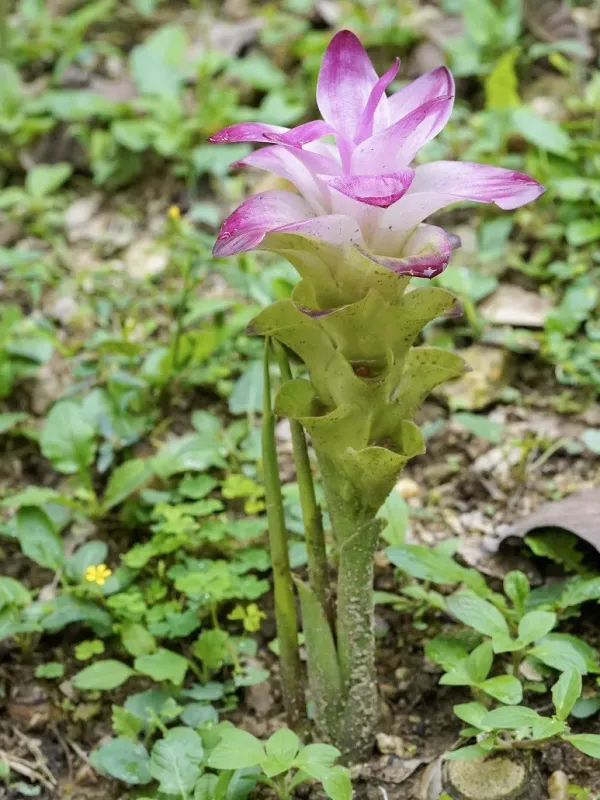
Description
Growing requirements
Dark turmeric (Curcuma phaeocaulis) is a perennial herbaceous plant belonging to the Zingiberaceae family. This species is highly valued for its rhizomes, which contain unique compounds that distinguish it from standard turmeric varieties.
Native to the regions of Southeast Asia, this crop thrives in tropical and subtropical climates. It requires consistent high temperatures and significant air humidity to successfully complete its biological growth cycle.
Cultivation requires loose, fertile, and well-drained soils. Soil acidity should be maintained within a neutral to slightly acidic range to ensure optimal nutrient uptake for the developing rhizome system.
The plant has specific lighting requirements, preferring partial shade over direct, intense sunlight. In agricultural settings, growers often implement canopy management or shade cloths to prevent heat stress and foliage damage.
Economically, dark turmeric is significant for the pharmaceutical industry due to its potent anti-inflammatory properties. Beyond medicine, it serves as a specialized coloring agent and a niche ingredient in high-quality culinary spice blends.
Main diseases and pests
Rhizome rot, caused by Pythium and Fusarium species, is the most critical threat to production. This disease is exacerbated by poor drainage and excessive soil moisture, leading to severe economic losses.
Leaf spot infections are common in high-humidity areas. These pathogens impair the plant's photosynthetic capacity, reducing the total mass of the harvested rhizomes and lowering the concentration of essential oils.
Root-knot nematodes pose a persistent danger by damaging the underground structures. Once the root system is compromised, the plant becomes susceptible to secondary bacterial infections that spread rapidly across the field.
Insect pests such as thrips and spider mites often target the plant during dry spells. Effective management involves maintaining adequate hydration and employing biological control agents to mitigate these infestations.
Preventative strategies are essential for sustainable crop management. These include strict sanitation of the planting area, the use of certified disease-free rhizomes, and the rotation of crops to break the lifecycle of specific soil-borne pathogens.