
Zingiber neglectum
Zingiber neglectum
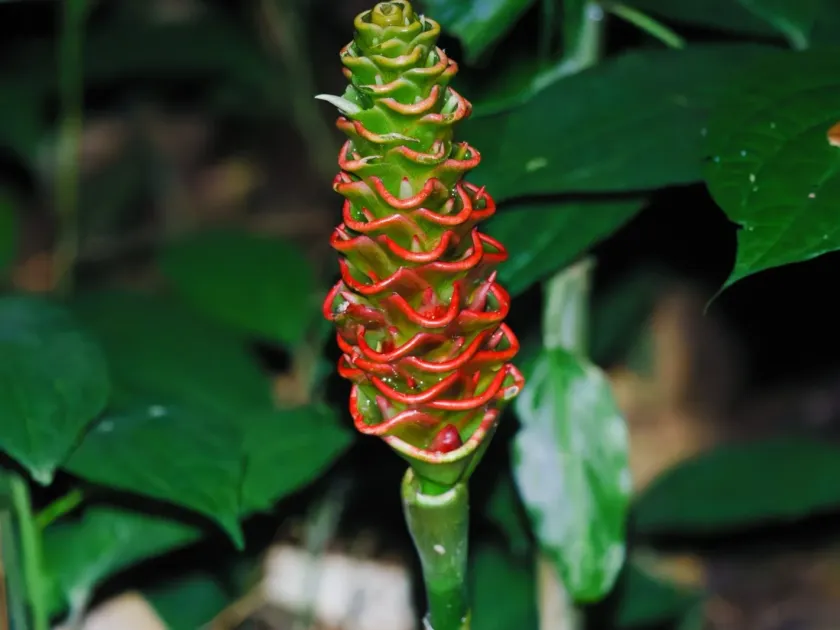
Description
Sowing dates
Propagation of Zingiber neglectum is primarily achieved through the division of healthy rhizomes. This method ensures that the offspring maintain the vigor and traits of the parent plant.
The ideal time for planting is the beginning of the rainy season, allowing the rhizomes to establish themselves in the soil before the peak of the growth phase.
Planting depth should be maintained between 5 and 10 centimeters, ensuring the rhizome is covered with a loose, nutrient-rich growing medium.
In greenhouse settings, spacing is crucial; plants need adequate room for the development of both foliage and subterranean structures to achieve optimal yields.
Initial irrigation after planting should be sufficient to moisten the soil, but not so excessive as to trigger rot in the dormant rhizome segments.
Growing requirements
Zingiber neglectum is a member of the Zingiberaceae family, inherently adapted to the warm, humid conditions of tropical and subtropical forest ecosystems.
The plant thrives in partial shade. Excessive exposure to direct, harsh sunlight can cause significant tissue damage to the leaves, reducing the photosynthetic efficiency.
Soil requirements focus on high organic content and excellent drainage. The plant is highly sensitive to waterlogging, which often leads to the rapid decay of the root system.
A temperature range between 22°C and 28°C is essential for sustaining active growth. The species is highly intolerant of frost and cold exposure, which can cause total plant failure.
Humidity levels should ideally stay above 70%. In lower humidity environments, supplemental misting is often required to support the healthy development of the foliage.
Main diseases and pests
Fungal infections, particularly root rot, represent the primary threat to this crop. These pathogens proliferate in poorly drained soils and stagnant moisture conditions.
Common pests include spider mites and scale insects, which frequently infest the plants in environments with insufficient air circulation and low humidity.
Nematode infestations can lead to significant yield losses by weakening the plant from within the root zone. Effective control relies on crop rotation and soil sanitation.
Bacterial wilt is another potential concern, often spreading via contaminated tools or infected water sources during the growing season.
- Implementing rigorous sanitation protocols for all gardening tools.
- Using certified, disease-free planting material.
- Ensuring proper spacing to facilitate adequate air movement.
Harvesting
Harvesting takes place when the aerial parts of the plant begin to senesce and turn yellow. This shift signals that the plant has ceased active growth and focused energy on the rhizomes.
Careful mechanical or manual extraction of the rhizomes is necessary to prevent bruising or fracturing, which could become entry points for decay-causing microorganisms.
Post-harvest handling involves cleaning the rhizomes of soil debris and removing secondary root systems. This should be done gently to preserve the outer protective layer.
The curing process is vital for long-term storage. Rhizomes are typically placed in a well-ventilated, shaded area to allow the skin to harden and heal any harvest wounds.
Storage should occur in a cool, dry environment with good airflow. Under these conditions, the product can remain viable for several months, preserving its aromatic and medicinal qualities.