
Zingiber chrysanthum
Zingiber chrysanthum
Description
Growing requirements
Zingiber chrysanthum is a perennial plant belonging to the Zingiberaceae family. It is recognized for its architectural foliage and striking golden-yellow inflorescences, which distinguish it from other members of the ginger genus.
The species originates from the Himalayan foothills and Southeast Asian tropical zones. Successful cultivation requires a warm environment with high atmospheric humidity and protection from cold drafts or freezing temperatures, as it is strictly tropical.
Regarding soil requirements, the plant thrives in rich, loose, well-draining substrate that mimics the forest floor. Providing adequate drainage is essential to prevent waterlogged conditions, which can lead to the rapid decay of the rhizomatous system.
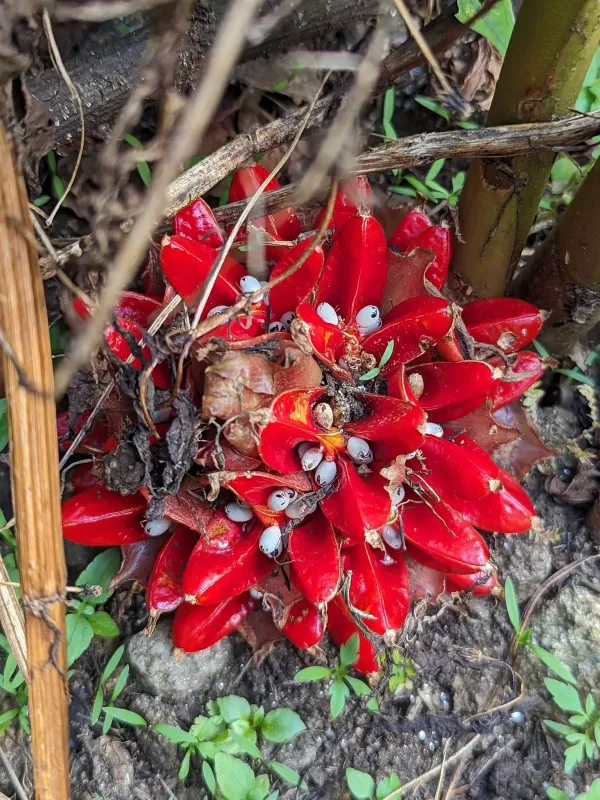
Botanically, the plant is characterized by leafy stalks that can reach significant heights, with specialized flowering spikes emerging from the ground. These spikes are structurally complex and serve as the main ornamental feature of the crop.
In terms of agricultural use, Zingiber chrysanthum is primarily grown in botanical collections, landscape gardens in tropical zones, and for experimental ethnobotanical studies focusing on the medicinal properties of its rhizomes.
Main diseases and pests
Root rot, often caused by overwatering or poor drainage, represents the primary threat to the vitality of the plant. Once established, these fungal infections can spread throughout the rhizome, making it difficult to recover the specimen.
Pests like spider mites and scale insects are frequently encountered in greenhouse settings. These pests inhabit the undersides of leaves, draining sap and causing chlorosis or stunted growth if left unmanaged.
Cultural control measures include maintaining optimal spacing between plants to improve airflow and monitoring soil moisture levels closely to ensure the roots are not suffocated by excessive liquid.
Chemical control, if necessary, should involve applying horticultural oils or selective insecticides tailored to tropical greenhouse ornamentals to minimize damage to the foliage.
Proactive management involves routine inspections, immediate isolation of infested plants, and strict adherence to hygiene protocols to maintain a disease-free environment for the ginger crops.