
Curcuma harmandii
Curcuma harmandii
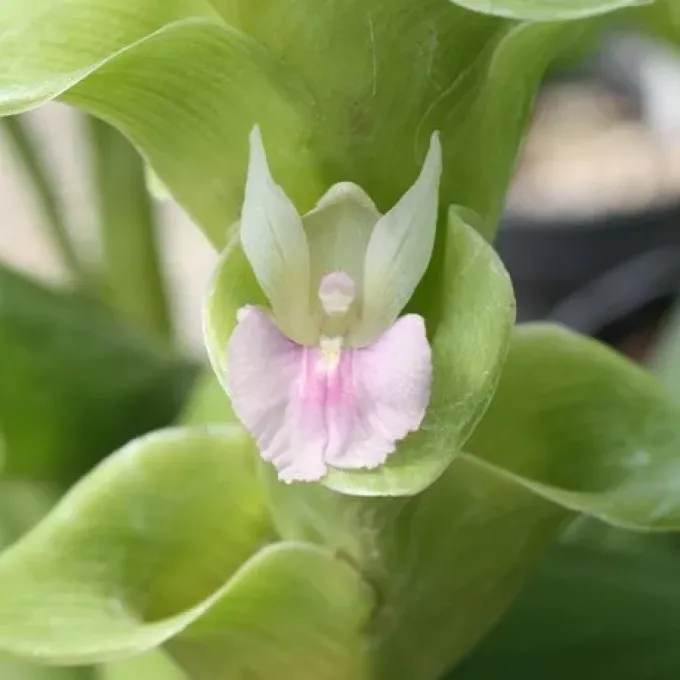
Description
Sowing dates
The planting of Curcuma harmandii is typically conducted at the onset of the rainy season when soil temperatures reach optimal levels. In its natural range, this timing coincides with the plant's emergence from dormancy, signaling the start of active vegetative growth.
Propagation is primarily achieved through rhizome division, where healthy segments containing multiple buds are selected. Planting depth is crucial, generally ranging between 5 to 10 centimeters, ensuring sufficient room for the development of the underground tuberous structures.
When grown in nurseries or controlled environments, sprouting should begin in protected areas several weeks before stable warm weather is established. This strategy reduces transplant shock and facilitates a faster transition to the field environment.
Spacing recommendations depend on soil fertility, yet a typical distance of 40–50 centimeters between rows is standard. This density helps prevent competition between root systems and provides ample space for mechanical or manual weeding operations.
Effective drainage is essential during the planting phase to prevent water stagnation, which is the primary cause of rhizome rot. Incorporating well-draining, organic-rich substrates into the planting site ensures rapid establishment and vigor.
Growing requirements
As a member of the Zingiberaceae family, Curcuma harmandii is a tropical perennial that demands high temperatures, ideally between +22 and +30 degrees Celsius, throughout its entire growing season to thrive.
The crop requires high atmospheric humidity and regular moisture. It is sensitive to extreme temperature fluctuations and direct intense sunlight, which can scorch the foliage; therefore, partial shading from larger trees or artificial structures is often beneficial.
Soil requirements focus on loose, fertile, and well-aerated profiles. Loamy or sandy-loam soils with a neutral to slightly acidic pH, supplemented with humus, are ideal for allowing the rhizomes to expand freely and accumulate nutrients.
Agronomic management involves systematic cultivation of the surface soil to improve oxygen exchange. Mulching the area is highly recommended, as it preserves soil moisture levels and effectively suppresses weed growth that could compete for essential minerals.
Fertilization should prioritize phosphorus and potassium to boost rhizome development, while nitrogen applications must be managed carefully, usually limited to the early vegetative stage to support leaf development without compromising root density.
Main diseases and pests
Fungal infections, particularly root rot, are the most significant threat to this crop, especially in waterlogged soils. Disease management relies on strict irrigation control and the judicious use of fungicides if conditions become excessively humid.
Nematodes are common pests that target the root system, causing stunted growth and foliage chlorosis. Implementing crop rotation and pre-planting soil treatments are the primary methods for mitigating these subterranean threats.
Leaf pests, such as spider mites, may thrive under conditions of low humidity. Regularly misting the plants or maintaining adequate environmental moisture levels can significantly reduce the risk of infestation by these insects.
Viral diseases represent a serious concern as they are often transmitted via infected planting stock. Rigorous selection of disease-free rhizomes and the immediate removal of any plant displaying mosaic patterns or deformities are essential for crop protection.
Sanitation practices are vital; removing crop residues after harvest prevents the buildup of pathogens in the soil, ensuring that subsequent planting cycles begin in a clean and safe environment.
Harvesting
Harvesting Curcuma harmandii takes place once the aerial parts of the plant have naturally withered, indicating that the plant has translocated its carbohydrates into the rhizomes. This typically occurs 7 to 9 months after planting.
Rhizomes should be carefully lifted from the soil using garden forks, minimizing mechanical damage to the skin. Intact skin is critical, as any injury to the rhizome surface significantly increases susceptibility to storage rot.
Following harvest, rhizomes are cleaned of soil residues and washed. Drying should occur in a cool, well-ventilated, and shaded location to preserve the essential oils and bioactive compounds that define the plant's quality.
Storage conditions must be strictly controlled, maintaining a temperature range of +10 to +12 degrees Celsius in a dry environment. Proper storage preserves the nutritional and aromatic profile of the crop for an extended duration.
Economic uses include culinary applications as a spice and medicinal use in traditional practices, attributed to the secondary metabolites found within the rhizomes of this specific species.