
Green-yellow ginger
Zingiber viridiflavum
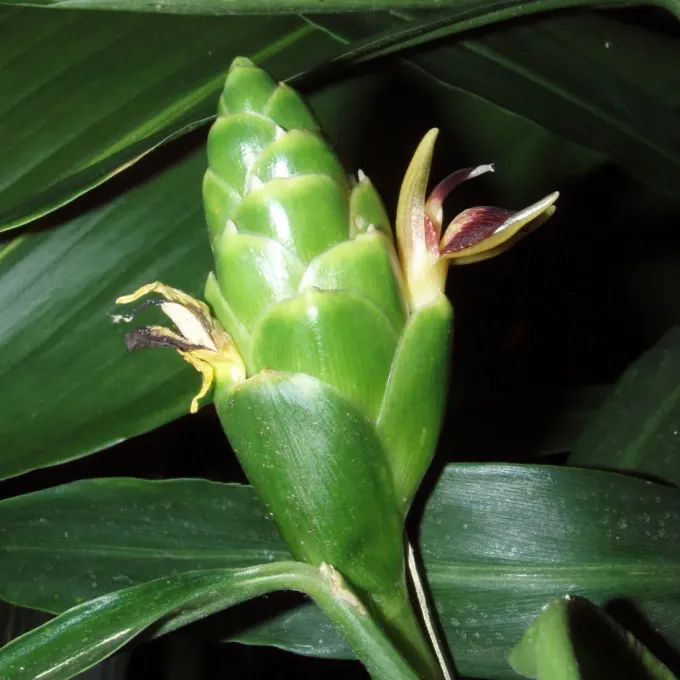
Description
Sowing dates
Planting green-yellow ginger should take place only after the soil has thoroughly warmed up, ideally reaching temperatures of 18 to 20 degrees Celsius. In many regions, this corresponds to mid-spring once the risk of night frost is gone.
Pre-sprouting the rhizomes in a controlled indoor environment is a common practice that provides a head start for the growing season. This method is particularly useful in cooler climates where the growing season is naturally shorter.
When planting, spacing is critical for optimal development. Allow at least 25 to 30 centimeters between individual plants to prevent overcrowding and ensure adequate airflow around the foliage.
The rhizomes are set into the soil at a depth of approximately 5 to 8 centimeters, with buds facing upward. Proper placement allows the shoots to emerge quickly without excessive energy expenditure.
Mulching the bed after planting is highly recommended. It helps retain essential soil moisture while simultaneously suppressing weed growth during the early stages of ginger development.
Growing requirements
Green-yellow ginger thrives in a warm, humid environment with consistent temperatures between 22 and 28 degrees Celsius. Protection from direct, harsh sunlight is necessary to prevent leaf scorching.
The soil must be fertile, well-draining, and rich in organic matter. Heavy, waterlogged soils are detrimental to this crop and should be avoided or amended with sand and compost to improve aeration.
Consistent moisture is required, but irrigation must be managed carefully. It is best to water the crop when the topsoil feels dry to the touch to prevent root rot and other moisture-related issues.
Providing high humidity is vital for plant vigor. In greenhouse cultivation, regular misting or using a humidifier can significantly improve the health and growth rate of the ginger plants.
Regular fertilization with a balanced mix of nitrogen, phosphorus, and potassium supports the development of the rhizomes. Organic fertilizers, such as well-rotted manure, are excellent for this purpose.
Main diseases and pests
The most common issues for green-yellow ginger are fungal root rots. These diseases are almost always linked to poor drainage or overly frequent irrigation in cool soil conditions.
Spider mites are a frequent pest during dry, hot periods. Their presence can be identified by fine webbing on the undersides of leaves, which requires immediate attention with horticultural soaps or oil sprays.
Soil-borne nematodes can pose a severe threat to ginger crops. Implementing crop rotation and using nematode-resistant planting material are the most effective management strategies available.
Maintaining a clean cultivation area is essential for pest control. Removing weeds regularly reduces the risk of hosting pests and pathogens that could otherwise migrate to the ginger plants.
Early detection through frequent monitoring is the best way to handle any disease outbreak. If affected plants are spotted, they should be removed and destroyed to protect the rest of the crop.
Harvesting
Harvesting usually occurs when the foliage begins to wither and yellow, typically in late autumn. This indicates that the rhizomes have reached maturity and are at their peak for flavor and potency.
Using a garden fork is recommended for lifting the rhizomes carefully from the soil. Care must be taken not to slice into the crop, as damaged skin invites infections during the storage phase.
Once harvested, the ginger should be cleaned of loose dirt and cured in a shaded, well-ventilated location. This curing period of a few days helps toughen the skin and extends storage life.
For long-term storage, the rhizomes should be kept in a cool, dark environment with moderate humidity. Ideal conditions prevent the ginger from dehydrating while inhibiting premature sprouting.
The green-yellow ginger variety is highly valued for its distinct culinary properties and chemical compounds, making it a sustainable and profitable choice for specialized gardening.